
WhatsApp
Hi there 👋
Request Free Estimate

Our experts can help you!
constructionestimatehelp.au@gmail.com
+1 (240) 8399485

How Much Will It Cost to Paint a House in 2026?

Painting a house is one of the most effective ways to enhance its appearance, protect exterior surfaces, and increase property value. However, homeowners planning a painting project in 2026 are often concerned about the overall expenses involved. Several factors influence the final price, including labor rates, paint quality, house size, and surface preparation requirements.

Factors Affecting House Painting Costs in 2026

1. House Size

The size of the property is the primary factor determining painting costs. Larger homes require more paint, labor, and preparation work. For example, the cost to paint 3000 sq.ft. house exterior can range anywhere between $6,000 and $15,000 in 2026, depending on the paint type and local labor charges.

Similarly, the cost to paint 3000 sq ft house exterior may increase if the home has multiple stories, complex architectural features, or extensive repairs that need to be completed before painting.

2. Exterior Surface Condition

The condition of your home’s exterior significantly impacts the overall cost exterior paint projects require. If surfaces have peeling paint, cracks, mold, or water damage, additional preparation work such as scraping, sanding, pressure washing, and priming will be necessary.

Homes requiring extensive repairs often have higher project costs due to increased labor hours.

3. Material and Paint Quality

High-quality paints generally cost more but offer better durability, weather resistance, and longer-lasting finishes. Premium paints may reduce maintenance expenses over time, making them a worthwhile investment.

Apart from paint, homeowners should also consider expenses related to Construction Material needed for repairs, primers, masking materials, caulking, and protective coverings.

4. Drywall Repairs

Interior painting projects frequently involve wall repairs before painting begins. Damaged drywall, holes, cracks, or moisture issues can significantly increase the drywall cost associated with the project.

Basic drywall patching may cost a few hundred dollars, while extensive drywall replacement can add thousands to the total renovation budget.

Average Painting Costs in 2026

Below are estimated painting costs for residential properties:

  • Small house (1,000–1,500 sq. ft.): $2,500–$5,000
  • Medium house (1,500–2,500 sq. ft.): $4,000–$8,000
  • Large house (2,500–3,500 sq. ft.): $6,000–$15,000
  • Interior room painting: $300–$1,000 per room

Keep in mind that labor costs vary by location and contractor experience.

Why Accurate Estimates Matter

Before starting any painting project, obtaining an accurate estimate is essential. Professional construction estimating services help homeowners understand labor, materials, repair costs, and project timelines before work begins.

Reliable estimates prevent budget overruns and ensure that sufficient funds are allocated for paint, surface preparation, and related repairs.

Construction Estimate Help provides professional estimating solutions that assist homeowners, contractors, and builders in planning painting projects with confidence. Detailed cost assessments help clients make informed decisions and avoid unexpected expenses during construction or renovation projects.

(FAQs)

1. How much does exterior house painting cost in 2026?

Exterior house painting typically costs between $2 and $6 per square foot, depending on labor, materials, and surface conditions.

2. What is the average cost to paint a 3000 sq.ft. house exterior?

The average cost to paint a 3000 sq.ft. house exterior ranges from approximately $6,000 to $15,000.

3. Does drywall repair increase painting costs?

Yes. Drywall repairs, patching, or replacement can significantly increase overall painting expenses.

4. What factors affect exterior painting costs?

House size, paint quality, labor rates, surface preparation, repairs, and accessibility all influence painting costs.

5. Why should I use construction estimating services?

Professional construction estimating services provide accurate cost projections, helping homeowners and contractors plan projects effectively and stay within budget.
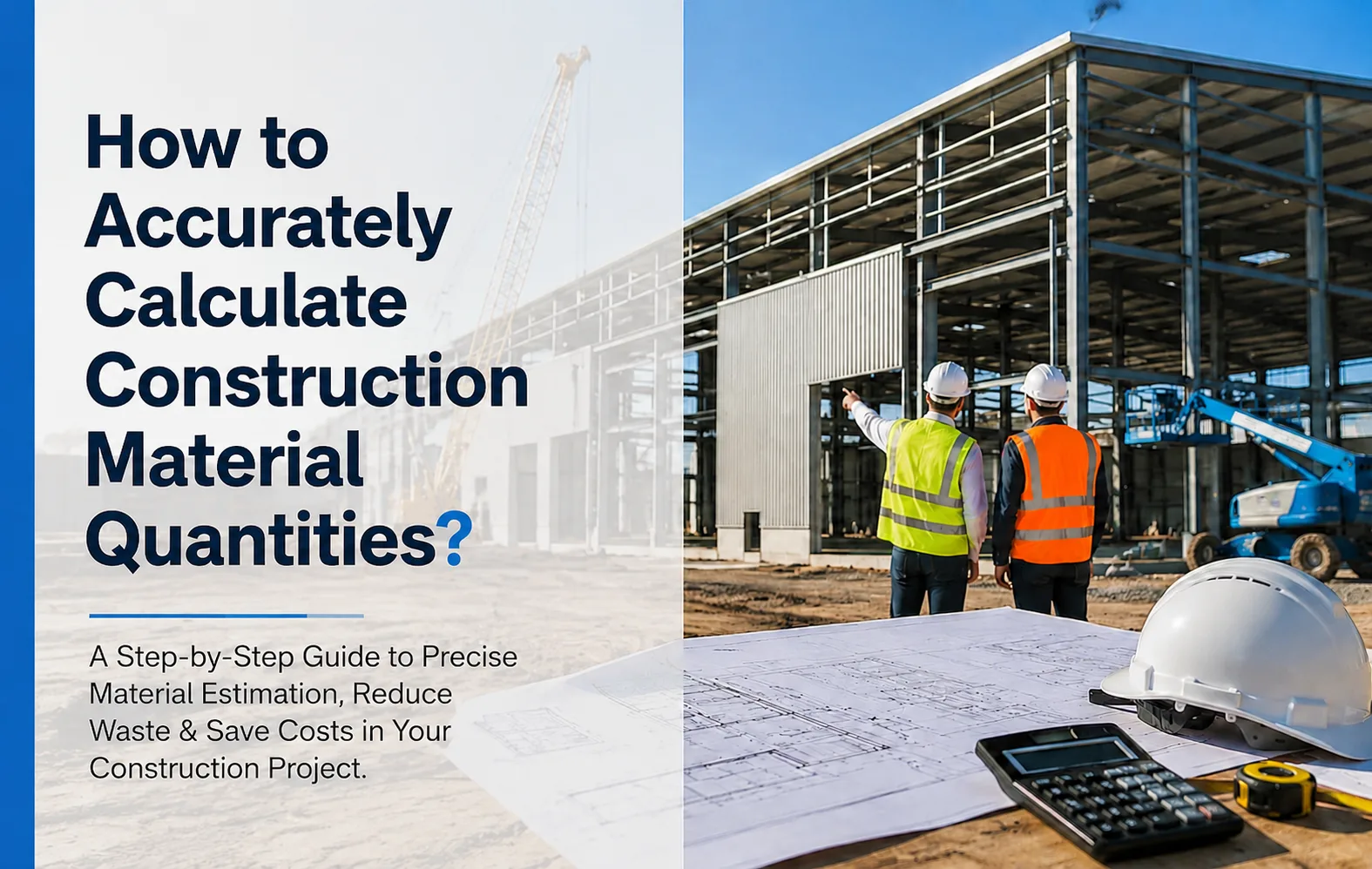
How to Accurately Calculate Construction Material Quantities?

Accurately calculating construction material quantities is essential for keeping projects on budget and on schedule. Whether you’re managing a residential renovation or a large commercial build, precise material estimation reduces waste, improves purchasing decisions, and increases profitability. Today, digital estimating tools and professional takeoff services make the process faster and far more reliable than traditional manual methods.

Why Accurate Material Quantity Calculations Matter

Material quantity estimation directly impacts project costs, labor planning, and procurement. Ordering too much material leads to unnecessary expenses and storage issues, while ordering too little causes delays and additional delivery costs. Accurate calculations help contractors submit competitive bids, avoid budget overruns, and maintain smooth project workflows.

Estimating Drywall Material Cost Efficiently

One of the most common challenges in construction is accurately calculating drywall material cost. A proper estimate includes drywall sheets, metal or wood studs, insulation, joint compound, screws, tape, corner beads, and finishing materials. Careful measurement of wall and ceiling areas helps minimize waste while ensuring sufficient materials are available throughout the project.

Improve Accuracy with Material Takeoff Software

Modern material takeoff software has revolutionized construction estimating. These digital tools allow estimators to measure directly from PDF drawings or digital blueprints, automatically calculating material quantities with greater precision. This reduces manual errors, saves valuable time, and generates detailed reports that simplify purchasing and budgeting.

Benefits of Using Takeoff Software

Reliable takeoff software offers several advantages for contractors and estimators, including:

  • Faster quantity calculations
  • Reduced human error
  • Improved bid accuracy
  • Digital blueprint measurements
  • Organized material reports
  • Better collaboration among project teams

By automating repetitive calculations, contractors can focus on project planning and client communication rather than manual measurements.

Why Contractors Choose Construction Takeoff Software

Advanced construction takeoff software provides comprehensive estimating features for multiple construction trades, including concrete, steel, drywall, roofing, electrical, plumbing, and HVAC. Many platforms also integrate with estimating and project management systems, allowing users to convert material quantities into complete project cost estimates quickly and accurately.

Save Time with Construction Takeoff Services

Many contractors choose to outsource their estimating needs through professional Construction Takeoff Services. Experienced estimators review construction drawings, calculate accurate material quantities, and deliver organized reports that support bidding and procurement. This allows contractors to meet tight deadlines without sacrificing estimate quality.

The Value of Quantity Takeoff Services

Professional Quantity Takeoff Services help builders, developers, subcontractors, and architects prepare detailed material quantity reports for every phase of construction. These services improve estimating accuracy, reduce workload, and provide reliable documentation for project planning, budgeting, and purchasing decisions.

Partner with Construction Estimate Help

At Construction Estimate Help, we provide accurate material estimates and professional takeoff solutions for residential, commercial, and industrial construction projects. Our experienced estimators leverage advanced software and industry expertise to deliver precise quantity calculations that help clients reduce costs, improve bid success, and streamline project execution.

Frequently Asked Questions (FAQs)

1. What is a material takeoff?

A material takeoff is the process of identifying and calculating all materials required for a construction project based on architectural and engineering drawings.

2. Why is drywall material cost estimation important?

Accurate drywall material cost estimation helps reduce waste, control project budgets, and ensure enough materials are available before construction begins.

3. What are the benefits of material takeoff software?

Material takeoff software increases estimating accuracy, reduces manual calculations, speeds up project bidding, and produces detailed quantity reports.

4. When should I use Construction Takeoff Services?

Construction Takeoff Services are ideal for contractors managing multiple projects, working under tight deadlines, or seeking highly accurate material estimates from experienced professionals.

5. How do Quantity Takeoff Services improve construction projects?

Quantity Takeoff Services provide precise material calculations that improve budgeting, procurement, scheduling, and overall project efficiency while minimizing costly estimation errors.