WhatsApp
Hi there 👋
Request Free Estimate

Our experts can help you!
constructionestimatehelp.au@gmail.com
+1 (240) 8399485

A Complete Guide to Cost Estimation in Construction Projects

Cost estimation is one of the most important aspects of any construction project. Whether it is a residential building, commercial property, or infrastructure development, accurate budgeting helps ensure that projects are completed on time and within budget. Effective Cost Estimating allows contractors, builders, and project owners to understand financial requirements before construction begins, reducing the risk of unexpected expenses and delays.

In today’s competitive construction industry, many businesses rely on professionaCost Estimating Services to improve accuracy and streamline project planning. This guide explores the fundamentals of construction cost estimation and explains why it is essential for project success.

What Is Construction Cost Estimation?

Construction cost estimation is the process of calculating the total expenses required to complete a construction project. These costs typically include materials, labor, equipment, permits, overhead expenses, and contingencies. The goal is to provide stakeholders with a realistic financial projection that supports informed decision making.

Professional estimators use historical data, market pricing, project specifications, and industry software to create detailed estimates. Many construction cost estimating firms specialize in delivering accurate estimates for projects of all sizes and complexities.

Why Cost Estimation Matters

Accurate cost estimating for construction plays a crucial role in project planning and execution. Here are some key benefits:

1. Better Budget Management

A detailed estimate helps project owners allocate resources effectively and avoid budget overruns.

2. Improved Project Planning

Cost estimates provide a financial roadmap that supports scheduling, procurement, and workforce planning.

3. Competitive Bidding

Contractors can submit competitive and profitable bids when they have reliable project cost data.

4. Reduced Financial Risk

Accurate estimates minimize the likelihood of unexpected expenses that can negatively impact project profitability.

Key Components of Construction Cost Estimation

Material Costs

Material pricing often represents a significant portion of project expenses. Estimators calculate quantities and current market rates to determine accurate material costs.

Labor Costs

Labor expenses include wages, benefits, and productivity rates for workers involved in the project.

Equipment Costs

Construction equipment rental, maintenance, fuel, and operational expenses are included in the estimate.

Overhead and Profit

Administrative costs, insurance, office expenses, and desired profit margins are also factored into the final estimate.

Contingency Allowance

A contingency budget is added to account for unforeseen circumstances such as design changes or material price fluctuations.

The Role of Quantity Takeoffs

A critical step in the estimation process is quantity takeoff and cost estimating. Quantity takeoff involves measuring and listing all materials required for a project based on construction drawings and specifications.

Accurate quantity takeoffs ensure that estimators calculate costs based on actual project requirements rather than assumptions. This process helps eliminate waste, reduce procurement errors, and improve overall estimate accuracy.

Choosing Professional Cost Estimating Services

Many contractors and developers choose external Cost Estimating Services to save time and improve precision. Professional estimators have access to industry databases, advanced software, and market insights that help produce reliable estimates.

For projects in highly competitive markets, such as New York, specialized ny cost estimating & takeoff services can provide location-specific pricing data and regional expertise. This ensures estimates reflect current labor rates, material costs, and local construction conditions.

How Construction Estimate Help Supports Your Projects

Construction Estimate Help provides professional estimating solutions designed to help contractors, builders, architects, and developers make informed decisions. Their experienced team delivers accurate Cost Estimating, detailed quantity takeoffs, and comprehensive project budgets tailored to specific project requirements.

By leveraging industry leading tools and proven methodologies, Construction Estimate Help helps clients improve bid accuracy, control project costs, and increase profitability.

Conclusion

Cost estimation is the foundation of successful construction project management. Accurate cost estimating for construction supports budgeting, scheduling, bidding, and risk management. Whether you’re managing a small residential build or a large commercial development, professional estimating services can make a significant difference in project outcomes.

Partnering with trusted experts such as Construction Estimate Help ensures you receive accurate estimates, detailed takeoffs, and valuable insights that contribute to project success from start to finish.

FAQs

1. What is Cost Estimating in construction?

Cost Estimating is the process of calculating the total expenses required to complete a construction project, including labor, materials, equipment, and overhead costs.

2. Why are Cost Estimating Services important?

Cost Estimating Services help improve budgeting accuracy, reduce financial risks, and support better project planning and decision making.

3. What is quantity takeoff and cost estimating?

Quantity takeoff and cost estimating involve measuring required materials from project plans and calculating their associated costs to create an accurate project estimate.

4. How do construction cost estimating firms help contractors?

Construction cost estimating firms provide professional estimates that improve bid accuracy, save time, and increase project profitability.

5. What are NY cost estimating & takeoff services?

NY cost estimating & takeoff services specialize in providing construction estimates based on New York market conditions, labor rates, and material pricing.

Construction Cost Estimating Services in Hawaii – Precision for Every Project

Accurate budgeting is the foundation of every successful construction project. Whether you’re planning a residential renovation, commercial development, or large scale infrastructure project, reliable Cost Estimating Services can make the difference between staying on budget and facing costly overruns. In Hawaii, where material transportation, labor costs, and island specific logistics can significantly impact expenses, precise construction estimates are more important than ever.

This is where Construction Estimate Help provides professional estimating solutions designed to support contractors, builders, developers, and property owners throughout Hawaii.

Why Construction Cost Estimating Matters

Construction projects involve numerous variables, including materials, labor, equipment, permits, and subcontractor expenses. Without a detailed estimate, project costs can quickly spiral out of control.

Professional cost estimating for construction helps stakeholders:

  • Develop realistic project budgets
  • Submit competitive bids
  • Improve resource allocation
  • Reduce financial risks
  • Minimize unexpected expenses
  • Increase project profitability

Accurate estimates provide a clear roadmap for every phase of construction, allowing teams to make informed decisions from start to finish.

Challenges of Construction Projects in Hawaii

Hawaii presents unique construction challenges compared to mainland projects. Materials often need to be shipped across the Pacific, leading to higher transportation costs and longer delivery times. Labor availability can also fluctuate depending on project demand and location.

Because of these factors, working with experienced construction cost estimating firms is essential. Professional estimators understand regional pricing trends, local building requirements, and island specific construction costs, helping clients create realistic budgets that reflect actual market conditions.

Comprehensive Cost Estimating Services

Construction Estimate Help provides detailed estimating services for various project types, including:

Residential Construction

Accurate Residential Estimating Services help homeowners, builders, and developers understand project costs before construction begins. Services cover:

  • New home construction
  • Home additions
  • Renovations and remodeling
  • Multi family housing developments
  • Custom residential projects

Detailed quantity takeoffs and pricing analyses ensure every aspect of the project is properly budgeted.

Commercial Construction

Commercial projects require thorough planning and precise cost control. Estimating services include:

  • Office buildings
  • Retail developments
  • Hotels and resorts
  • Healthcare facilities
  • Educational institutions

Professional estimates help contractors submit accurate bids while maintaining profit margins.

Trade Specific Estimates

Construction Estimate Help also provides specialized estimates for various construction trades, including:

  • Concrete
  • Masonry
  • Electrical
  • Plumbing
  • Roofing
  • Flooring
  • Framing
  • Painting

Detailed trade estimates improve project planning and subcontractor coordination.

Understanding Drywall Costs

One of the most common concerns in residential and commercial projects is drywall cost. Several factors affect drywall pricing, including:

  • Total square footage
  • Type of drywall selected
  • Labor rates
  • Ceiling height
  • Project complexity
  • Finishing requirements

Professional estimators calculate material quantities and labor requirements accurately, helping clients avoid underestimating or overestimating drywall expenses.

Benefits of Professional Estimating Services

Partnering with experienced estimators offers several advantages:

Improved Bid Accuracy

Accurate estimates help contractors submit competitive bids without sacrificing profitability.

Time Savings

Preparing detailed takeoffs manually can be time consuming. Professional estimating services allow contractors to focus on project management and business growth.

Better Budget Management

Comprehensive estimates help clients understand where money will be spent and identify opportunities for cost savings.

Reduced Financial Risk

Detailed cost breakdowns minimize the chances of budget overruns and unexpected project expenses.

Why Choose Construction Estimate Help?

Construction Estimate Help combines industry expertise, advanced estimating software, and local market knowledge to deliver highly accurate construction estimates. Whether you need support for residential, commercial, or specialized trade projects, the team provides dependable estimating solutions tailored to Hawaii’s unique construction environment.

Their commitment to precision helps clients make informed decisions, win more bids, and complete projects successfully.

Conclusion

Construction projects in Hawaii require careful planning and accurate budgeting to overcome island specific challenges and maintain profitability. Professional Cost Estimating Services provide the financial clarity needed for successful project execution. From Residential Estimating Services to commercial developments and detailed cost estimating for construction, Construction Estimate Help delivers the precision and reliability every project deserves.

(FAQs)

1. What are Cost Estimating Services?

Cost Estimating Services involve calculating project expenses, including materials, labor, equipment, and overhead costs before construction begins.

2. Why should I hire construction cost estimating firms?

Professional construction cost estimating firms provide accurate estimates that help reduce risk, improve budgeting, and increase bid success rates.

3. What is included in Residential Estimating Services?

Residential Estimating Services typically include quantity takeoffs, labor calculations, material pricing, and complete project cost breakdowns.

4. How is drywall cost calculated?

Drywall cost depends on material type, square footage, labor rates, finishing requirements, and project complexity.

5. Can estimating services help contractors win more bids?

Yes. Accurate estimates allow contractors to submit competitive bids while maintaining healthy profit margins and reducing financial risk.

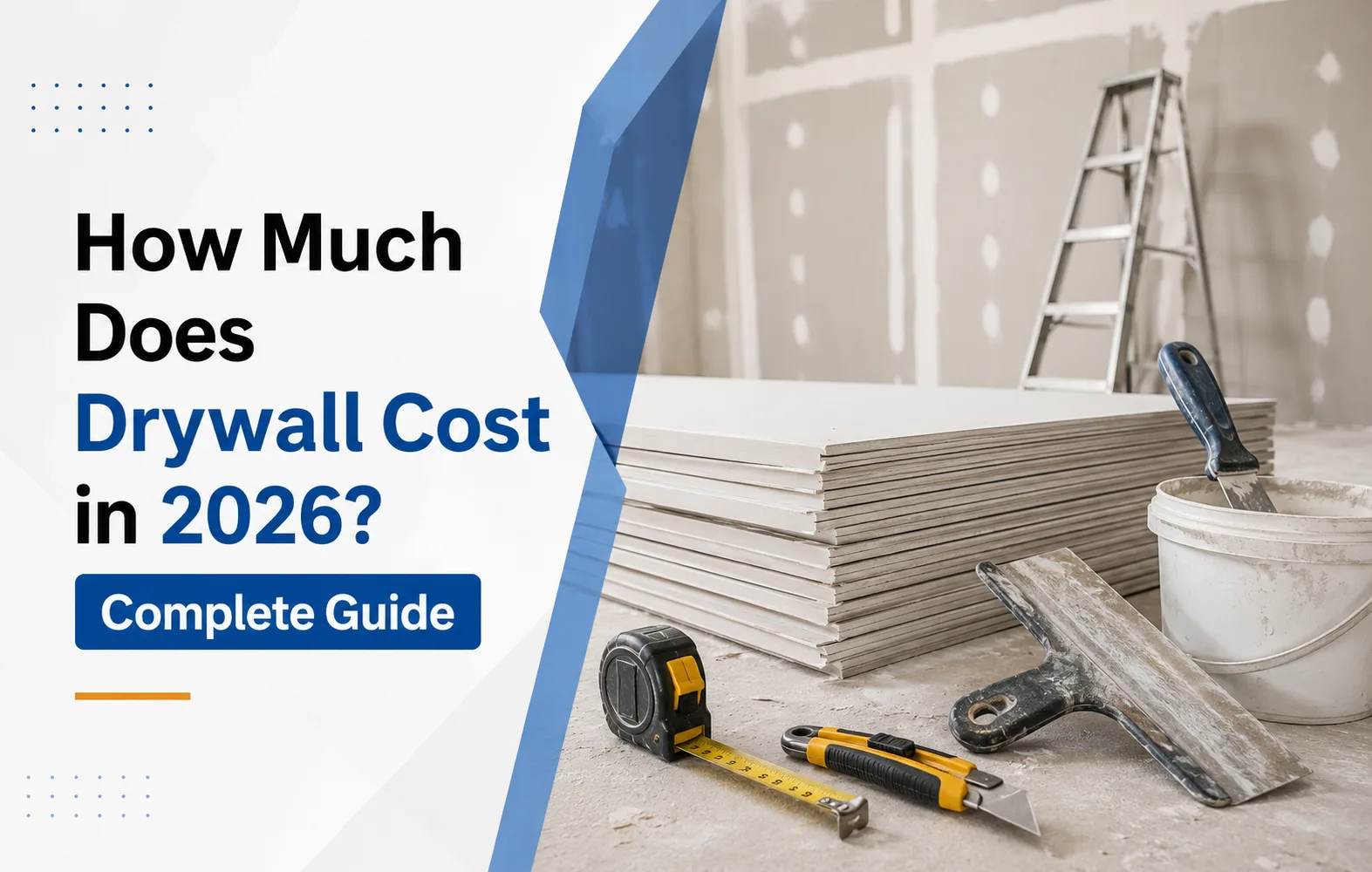
How Much Does Drywall Cost in 2026? Complete Guide

Drywall remains one of the most popular materials for interior wall and ceiling construction due to its affordability, durability, and ease of installation. Whether you are building a new home, renovating an office, or remodeling a room, understanding the drywall cost in 2026 is essential for effective budgeting and project planning.

In this guide, we’ll break down the factors that influence drywall pricing, the drywall cost per square foot, and how professional Cost Estimating Services can help you avoid unexpected expenses.

What Is the Average Drywall Cost in 2026?

The average drywall cost per square foot typically ranges from $1.50 to $4.50, depending on material quality, labor rates, project size, and location. For a standard room, homeowners can expect to spend anywhere from $800 to $3,000 for complete drywall installation.

Several factors impact the final price, including:

  • Type and thickness of drywall
  • Room size and complexity
  • Labor costs
  • Finishing requirements
  • Geographic location

Drywall Material Costs

Modern Drywall Panels for Reliable Interior Construction come in various types designed for specific applications. Standard drywall panels are generally the most affordable, while moisture-resistant, fire-resistant, and soundproof drywall options cost more.

On average, drywall sheets cost between $12 and $30 per panel. Larger projects often benefit from bulk purchasing, reducing overall material expenses.

Cost to Install Drywall

The Cost to Install Drywall includes both materials and labor. Labor typically accounts for 40% to 60% of the total project cost. Professional installers charge based on square footage, wall height, ceiling complexity, and finishing requirements.

Installation services may include:

  • Measuring and cutting drywall
  • Hanging panels
  • Applying joint tape
  • Mudding and sanding
  • Surface preparation for painting

For a standard residential project, drywall installation can range from $2.00 to $5.00 per square foot.

Factors Affecting Drywall Costs

1. Project Size

Larger projects generally have lower per-square-foot costs because contractors can spread labor and equipment expenses across a bigger area.

2. Drywall Type

Specialty drywall products such as moisture-resistant or fire-rated panels increase material costs but provide added protection and durability.

3. Labor Rates

Labor costs vary significantly by region and contractor experience. Urban areas often have higher installation rates than rural locations.

4. Ceiling Installation

Installing drywall on ceilings requires additional labor and equipment, increasing project costs.

5. Finishing Level

Higher-quality finishes demand more sanding, coating, and preparation, leading to increased labor expenses.

Why Use a Drywall Cost Estimator?

A professional drywall cost estimator helps contractors, builders, and homeowners accurately forecast project expenses before construction begins.

Benefits include:

  • Accurate material quantity calculations
  • Labor cost forecasting
  • Reduced budget overruns
  • Better project planning
  • Competitive bidding support

Using a reliable estimator allows project stakeholders to make informed decisions and avoid costly surprises.

The Importance of Professional Cost Estimating Services

Professional Cost Estimating Services provide detailed project breakdowns that improve budgeting accuracy and project efficiency. Estimators analyze plans, calculate quantities, evaluate labor requirements, and identify potential cost-saving opportunities.

At Construction Estimate Help, our experienced estimating professionals deliver precise drywall estimates for residential, commercial, and industrial projects. Our goal is to help clients maximize profitability while minimizing risk.

Conclusion

Understanding drywall cost is crucial when planning any interior construction or renovation project. Factors such as material type, labor rates, project complexity, and finishing requirements all influence the final price. By using a professional drywall cost estimator and trusted Cost Estimating Services, you can ensure accurate budgeting and successful project execution.

Whether you’re a homeowner, contractor, or developer, investing in quality Drywall Panels for Reliable Interior Construction and professional estimating support can save both time and money in 2026.

Frequently Asked Questions (FAQs)

1. What is the average drywall cost per square foot in 2026?

Most projects range between $1.50 and $4.50 per square foot, depending on materials and labor.

2. What affects the Cost to Install Drywall?

Factors include project size, drywall type, labor rates, ceiling work, and finish quality.

3. How much does a drywall sheet cost?

Standard drywall panels typically cost between $12 and $30 per sheet.

4. Why should I use a drywall cost estimator?

A drywall cost estimator helps calculate accurate material and labor costs, reducing budgeting errors.

5. How can Construction Estimate Help assist my project?

Construction Estimate Help provides professional Cost Estimating Services that deliver accurate drywall takeoffs and cost estimates for construction projects.

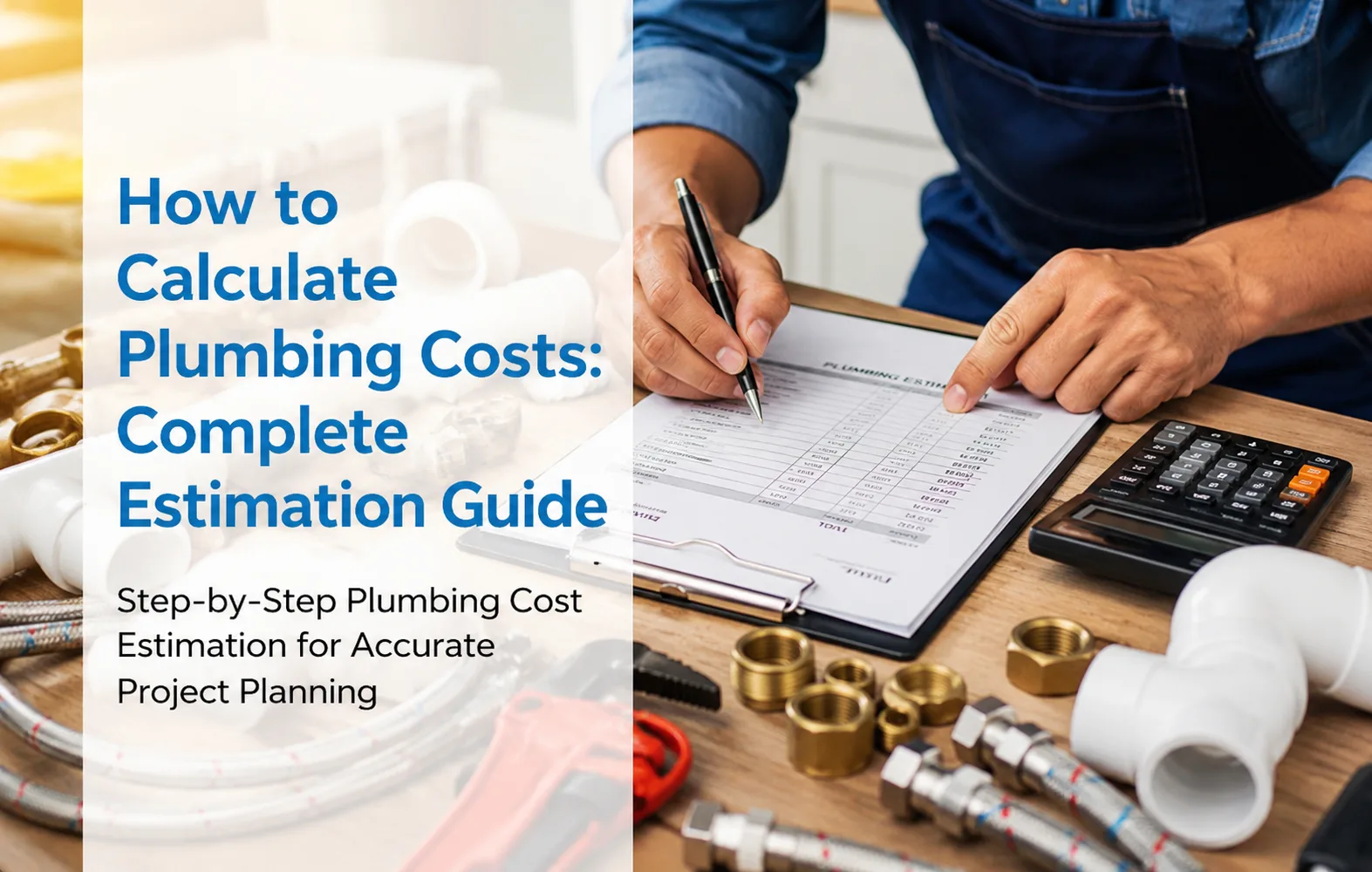
How to Calculate Plumbing Costs: Complete Estimation Guide

Accurately estimating plumbing costs is essential for the success of any construction or renovation project. Whether you are a contractor, builder, homeowner, or project manager, understanding the factors that influence plumbing expenses can help you create realistic budgets and avoid costly surprises. This guide explains how to calculate plumbing costs and highlights the importance of professional Cost Estimating Services for accurate project planning.

Understanding Plumbing Cost Estimation

Plumbing cost estimation involves calculating all expenses associated with installing, repairing, or upgrading a plumbing system. A reliable estimate includes material costs, labor charges, equipment expenses, permits, and contingency allowances.

Professional estimators often use specialized software and industry databases to ensure precise calculations. Hiring a Construction Estimating Consultant can significantly improve the accuracy of your project budget.

Key Factors Affecting Plumbing Costs

1. Material Costs

Materials typically represent a substantial portion of plumbing expenses. Common materials include:

  • Pipes and fittings
  • Valves and fixtures
  • Water heaters
  • Pumps and drainage systems

The quality and type of materials selected will directly impact the overall plumbing services cost.

2. Labor Expenses

Labor costs vary based on project complexity, location, and contractor experience. Tasks such as installing new plumbing systems generally require more labor hours than simple repairs.

3. Project Size and Scope

The larger the project, the greater the material and labor requirements. A complete plumbing installation for a new building will cost significantly more than replacing a few fixtures.

4. Permit and Inspection Fees

Many plumbing projects require permits and inspections to comply with local building regulations. These costs should always be included in your estimate.

5. Equipment and Tools

Specialized equipment such as pipe threading machines, trenching tools, or leak detection systems may be necessary for certain projects, adding to the overall cost.

Step-by-Step Process for Calculating Plumbing Costs

Step 1: Review Project Plans

Carefully examine blueprints, specifications, and plumbing layouts. Identify all fixtures, pipe runs, and system requirements.

Step 2: Perform a Quantity Takeoff

Measure and list all plumbing materials required for the project. This includes pipes, fittings, valves, fixtures, and accessories.

Step 3: Determine Material Prices

Research current market rates or use supplier quotations to calculate accurate material costs.

Step 4: Estimate Labor Hours

Assess the time required for installation, testing, and commissioning. Multiply estimated labor hours by local labor rates.

Step 5: Add Equipment and Permit Costs

Include rental equipment fees, permit charges, and inspection costs.

Step 6: Include Contingency Costs

Most estimators add a contingency allowance of 5–10% to cover unforeseen expenses.

Step 7: Calculate the Final Estimate

Combine material, labor, equipment, permit, and contingency costs to determine the total project budget.

Benefits of Professional Cost Estimating Services

Many construction professionals rely on expert Cost Estimating Services to improve project accuracy and profitability. Professional estimators provide:

  • Detailed quantity takeoffs
  • Accurate pricing data
  • Reduced budgeting errors
  • Faster bid preparation
  • Improved project planning

A qualified plumbing cost estimator can help identify hidden expenses and ensure that every aspect of the project is accounted for before construction begins.

Why Choose Construction Estimate Help?

Construction Estimate Help offers professional estimating solutions tailored to contractors, builders, and developers. Their experienced team provides accurate plumbing estimates, helping clients reduce risks, save time, and improve project profitability. Whether you need residential, commercial, or industrial estimates, their experts deliver reliable results that support successful project execution.

Conclusion

Calculating plumbing costs requires careful planning, accurate quantity takeoffs, and up to date pricing information. By understanding the factors that influence plumbing services cost and utilizing professional Cost Estimating Services, you can develop realistic budgets and avoid costly overruns. Working with an experienced Construction Estimating Consultant ensures greater accuracy and confidence throughout the construction process.

FAQs

1. What does a plumbing cost estimator do?

A plumbing cost estimator calculates material, labor, equipment, and permit costs to create an accurate project budget.

2. What factors affect plumbing costs the most?

Material quality, labor rates, project complexity, permits, and equipment requirements are the primary cost drivers.

3. Why are Cost Estimating Services important?

They improve budget accuracy, reduce financial risks, and help contractors submit competitive bids.

4. How can a Construction Estimating Consultant help?

A consultant provides professional cost analysis, quantity takeoffs, and budgeting support for construction projects.

5. Can plumbing estimates reduce project overruns?

Yes. Accurate estimates help identify costs early, enabling better planning and minimizing unexpected expenses during construction.

#PlumbingCosts #PlumbingEstimate #CostEstimatingServices #PlumbingCostEstimator #ConstructionEstimating #ConstructionEstimateHelp #PlumbingServices #ConstructionConsultant #QuantityTakeoff #ConstructionBudgeting #CostEstimation #BuildingCosts #ContractorLife #ConstructionIndustry #ProjectManagement #EstimatingServices #ResidentialConstruction #CommercialConstruction #ConstructionPlanning #ConstructionExperts #Builders #GeneralContractor #PlumbingContractor #ConstructionBusiness #BudgetPlanning #ProjectEstimating #ConstructionSolutions #TakeoffServices #ConstructionProjects #EstimatingConsultant