WhatsApp
Hi there 👋
Request Free Estimate

Our experts can help you!
constructionestimatehelp.au@gmail.com
+1 (240) 8399485

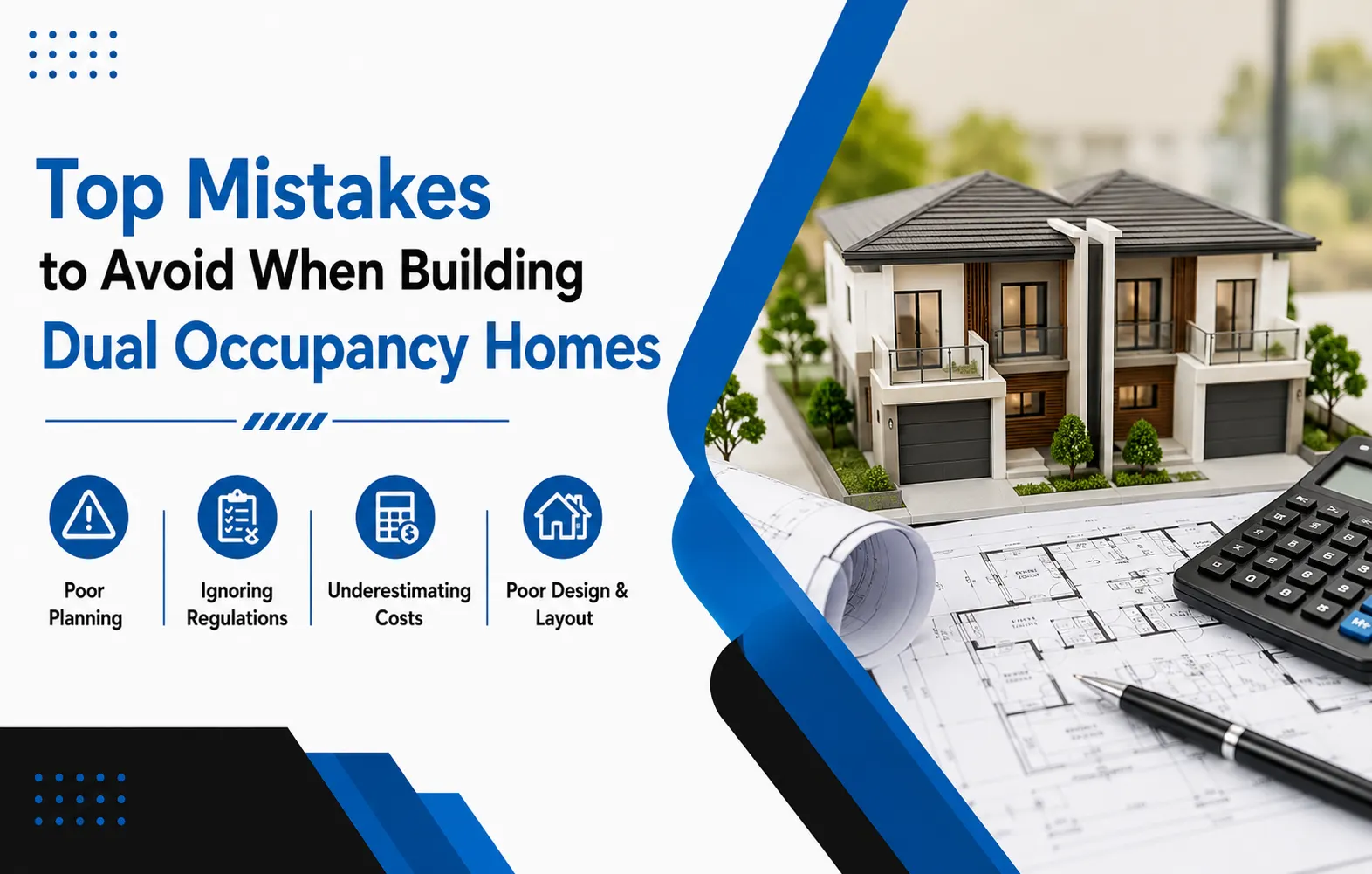
Top Mistakes to Avoid When Building Dual Occupancy Homes

Building Dual Occupancy Homes has become one of the most effective ways to maximize land value, generate rental income, and create long-term investment opportunities. Whether you’re planning a family project or looking to expand your property portfolio, avoiding common construction mistakes can save thousands of dollars and months of delays.

Working with experienced Dual Occupancy Home Builders and using professional Home Building Estimator, Cost Estimating Services, and construction estimating services in Australia from Construction Estimate Help ensures your project stays on budget and meets all local regulations.

Why Dual Occupancy Homes Are Growing in Popularity

The demand for Dual Occupancy Homes continues to increase across Australia due to rising property prices and limited land availability. These developments allow homeowners to build two separate dwellings on a single block, creating additional rental income or housing for extended family.

With carefully planned Dual Occupancy House Plans, homeowners can maximize land usage while increasing overall property value.

1. Ignoring Local Council Regulations

One of the biggest mistakes in Dual Occupancy Property Development is failing to understand local zoning laws and council requirements.

Before beginning Dual Occupancy Home Construction, always verify:

  • Minimum lot size
  • Setback requirements
  • Parking regulations
  • Private open space requirements
  • Building height restrictions

Ignoring these regulations can result in expensive redesigns or permit delays.

2. Choosing the Wrong Dual Occupancy House Plans

Not every block suits every design.

Selecting unsuitable Dual Occupancy House Plans often leads to:

  • Poor natural lighting
  • Limited privacy
  • Inefficient layouts
  • Reduced resale value

Experienced Dual Occupancy Home Builders can recommend layouts that maximize functionality while complying with local building codes.

3. Underestimating Construction Costs

Many investors only calculate material costs and overlook additional expenses.

The actual Cost to Build Dual Occupancy Homes often includes:

  • Site preparation
  • Excavation
  • Engineering
  • Utility connections
  • Landscaping
  • Council fees
  • Contingency costs

Using a professional Home Building Estimator helps create realistic budgets before construction begins.

Construction Estimate Help provides accurate Cost Estimating Services that help property owners avoid unexpected financial surprises.

4. Poor Site Analysis

Every site has unique characteristics.

Before you Build Dual Occupancy Homes, evaluate:

  • Soil conditions
  • Drainage
  • Slope
  • Existing services
  • Access for machinery

Skipping proper site analysis may increase construction costs significantly during the building process.

5. Hiring Inexperienced Builders

Choosing builders solely based on the lowest quote can become costly.

Professional Dual Occupancy Home Builders understand:

  • Complex approvals
  • Efficient construction scheduling
  • Material optimization
  • Local regulations
  • Investment-focused layouts

Experienced builders reduce delays and deliver higher-quality outcomes.

6. Ignoring Future Investment Potential

Many people focus only on current living needs.

However, Dual Occupancy Homes for Investment should also consider:

  • Rental appeal
  • Future resale value
  • Low maintenance
  • Energy efficiency
  • Flexible layouts

Smart planning today creates stronger returns tomorrow.

7. Overlooking Functional Home Design

Beautiful homes should also be practical.

Modern Dual Occupancy Home Design Ideas include:

  • Open-plan living
  • Separate entrances
  • Private outdoor areas
  • Energy-efficient windows
  • Smart storage solutions
  • Shared yet private driveways

Well-designed homes attract buyers and tenants alike.

8. Not Considering Modern Design Trends

Today’s buyers prefer Modern Dual Occupancy House Designs that combine aesthetics with functionality.

Popular features include:

  • Contemporary facades
  • Large windows
  • Sustainable materials
  • Solar-ready roofing
  • Spacious kitchens
  • Home office spaces

Modern designs often command higher market values.

9. Failing to Budget for Unexpected Costs

Unexpected expenses happen in nearly every construction project.

Professional Cost Estimating Services prepare detailed cost breakdowns, helping homeowners allocate contingency funds before construction starts.

Construction Estimate Help offers reliable construction estimating services in Australia to improve budgeting accuracy and reduce financial risks.

10. Skipping Professional Construction Estimating

One of the most expensive mistakes is beginning construction without detailed estimates.

Professional construction estimates help with:

  • Material quantities
  • Labor costs
  • Equipment expenses
  • Scheduling
  • Budget control
  • Contractor comparisons

Construction Estimate Help provides accurate estimating solutions that support successful Dual Occupancy Home Construction from planning through completion.

How Construction Estimate Help Can Support Your Project

Whether you’re planning your first investment or managing multiple developments, Construction Estimate Help provides comprehensive estimating solutions tailored for Australian residential projects.

Our services include:

  • Home Building Estimator
  • Detailed Cost Estimating Services
  • Material Takeoffs
  • Budget Planning
  • Project Cost Analysis
  • Construction Estimating Services in Australia

With accurate estimates, homeowners and developers can confidently Build Dual Occupancy Homes while minimizing financial risks.

Conclusion

Building successful Dual Occupancy Homes requires more than selecting attractive designs. Proper planning, accurate budgeting, experienced builders, and professional estimating all contribute to a profitable project.

Avoiding these common mistakes helps streamline Dual Occupancy Property Development, improve construction efficiency, and maximize investment returns. By partnering with Construction Estimate Help, you gain access to expert Home Building Estimator, reliable Cost Estimating Services, and trusted construction estimating services in Australia that keep your project on track from concept to completion.

Frequently Asked Questions (FAQs)

1. What are Dual Occupancy Homes?

Dual Occupancy Homes are two separate dwellings built on a single property, allowing homeowners to generate rental income or accommodate extended family.

2. How much does it cost to build Dual Occupancy Homes?

The Cost to Build Dual Occupancy Homes depends on land conditions, location, design, materials, and labour. A professional Home Building Estimator can provide an accurate project estimate.

3. Why should I hire professional Dual Occupancy Home Builders?

Experienced Dual Occupancy Home Builders understand planning regulations, efficient construction methods, and quality standards, reducing costly mistakes.

4. What are the benefits of professional Cost Estimating Services?

Professional Cost Estimating Services improve budgeting accuracy, reduce financial risks, prevent cost overruns, and help make informed construction decisions.

5. Why choose Construction Estimate Help?

Construction Estimate Help delivers reliable construction estimating services in Australia, detailed quantity takeoffs, and accurate budgeting solutions that help homeowners and developers complete projects efficiently and within budget.

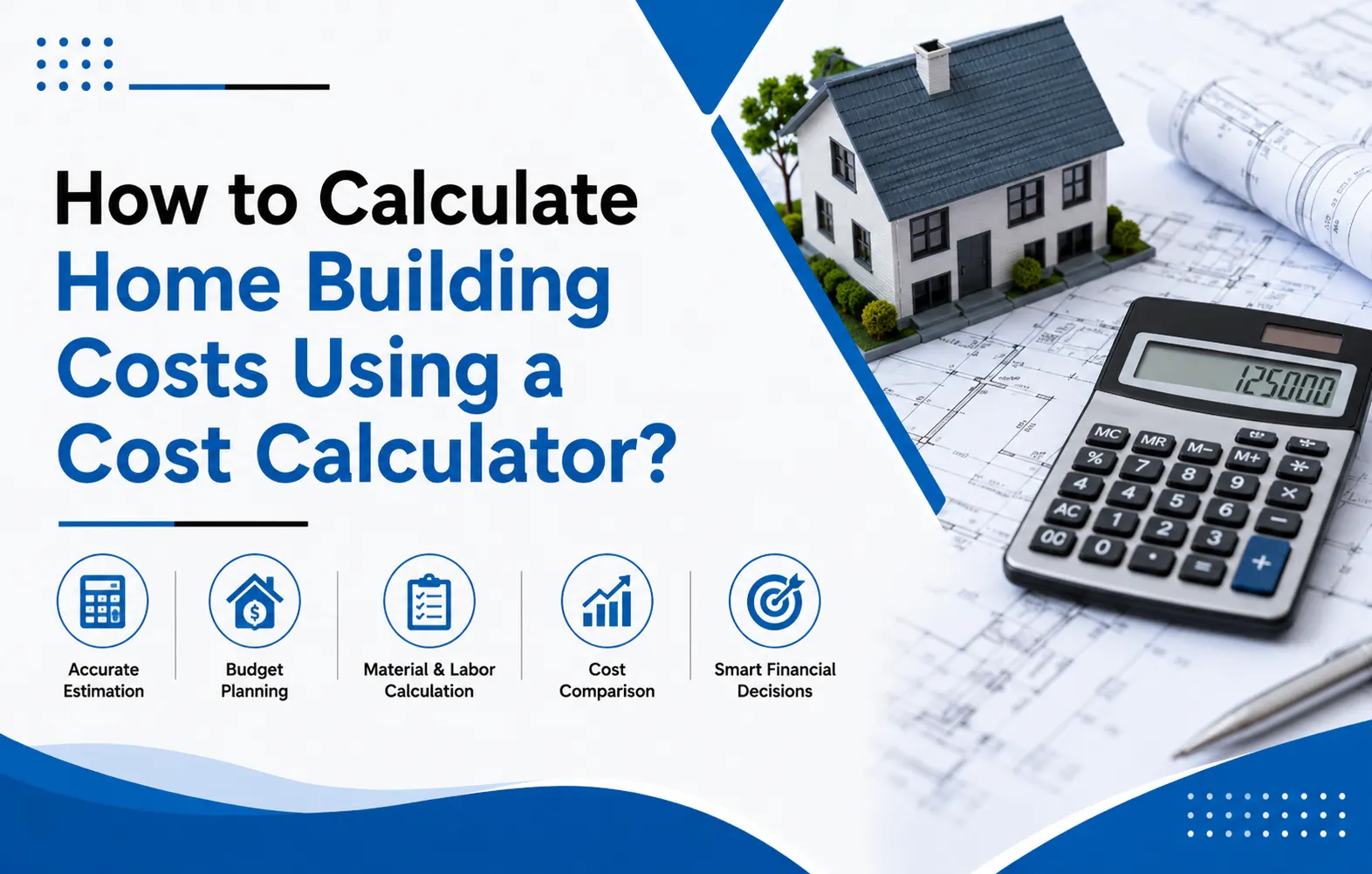
How to Calculate Home Building Costs Using a Cost Calculator?

Building a new home is one of the biggest investments you’ll ever make. Before construction begins, it’s important to understand the total project cost so you can plan your budget effectively. A Home Building Estimator makes this process much easier by helping homeowners, builders, and contractors estimate material, labor, and project expenses with greater accuracy.

Whether you’re constructing a small family home or a luxury property, using a reliable Building Cost Estimator can save you from unexpected expenses. At Construction Estimate Help, we provide professional Cost Estimating Services and trusted construction estimating services in Australia to help clients make informed financial decisions before construction starts.

Why Home Building Cost Estimation Matters

Every construction project involves hundreds of individual costs. These include:

  • Land preparation
  • Foundation work
  • Structural framing
  • Roofing
  • Plumbing and electrical work
  • Interior finishes
  • Flooring
  • Painting
  • Landscaping
  • Permits and inspections

Without a proper estimate, project costs can quickly exceed your budget. A professional Home Building Estimator helps identify these expenses before construction begins, reducing financial surprises later.

What Is a Home Building Cost Calculator?

A home building cost calculator is a digital tool that estimates the total construction cost based on project details. It provides a rough estimate by considering several factors, including:

  • House size (square footage)
  • Building location
  • Construction type
  • Material quality
  • Labor rates
  • Design complexity
  • Additional features

While calculators provide useful preliminary estimates, combining them with professional Cost Estimating Services delivers far more accurate results.

Step-by-Step: How to Calculate Home Building Costs

1. Enter the Property Size

Start by entering the total square footage of your planned home.

Larger homes naturally require:

  • More materials
  • More labor
  • Longer construction time

This forms the foundation of every Building Cost Estimator calculation.

2. Choose the Construction Type

Different construction methods affect pricing significantly.

Examples include:

  • Standard residential homes
  • Custom-designed homes
  • Luxury homes
  • Multi-storey buildings

Each option carries different labor and material costs.

3. Select Material Quality

Material selection has a major impact on the overall estimate.

Common categories include:

  • Economy
  • Standard
  • Premium
  • Luxury

Higher-quality materials increase durability but also raise construction costs.

4. Include Labor Costs

Labor often represents a significant portion of construction expenses.

Professional estimators calculate costs for:

  • Carpenters
  • Electricians
  • Plumbers
  • Roofers
  • Painters
  • Concrete workers

Experienced construction estimating services in Australia use current local labor rates to provide realistic estimates.

5. Add Site Preparation Costs

Every building site is unique.

Preparation may include:

  • Clearing vegetation
  • Excavation
  • Soil testing
  • Leveling land
  • Utility connections

Ignoring these expenses can lead to unexpected budget increases.

6. Include Permits and Other Fees

Don’t forget additional project costs such as:

  • Building permits
  • Council approvals
  • Engineering reports
  • Architectural drawings
  • Utility connection fees

These expenses should always be part of your total estimate.

Benefits of Using Professional Cost Estimating Services

Although online calculators are helpful, they cannot account for every project detail.

Professional Cost Estimating Services offer:

  • Highly accurate quantity takeoffs
  • Current material pricing
  • Local labor cost analysis
  • Reduced budgeting errors
  • Faster project planning
  • Better contractor negotiations
  • Improved financial control

Construction Estimate Help provides customized estimating reports tailored to your project requirements.

Why Choose Construction Estimate Help?

At Construction Estimate Help, our experienced estimators use advanced estimating software and current Australian construction pricing to prepare reliable estimates.

Our construction estimating services in Australia assist:

  • Homeowners
  • Builders
  • Contractors
  • Developers
  • Architects

Our goal is to provide detailed cost breakdowns that help clients stay on budget while reducing project risks.

Tips for More Accurate Home Building Estimates

To improve estimate accuracy:

  • Use updated construction plans.
  • Measure the building area carefully.
  • Compare material options before deciding.
  • Include contingency funds for unexpected expenses.
  • Update estimates whenever project changes occur.
  • Consult professional estimators before finalizing your budget.

Following these practices ensures your Home Building Estimator delivers results that closely match actual construction costs.

Conclusion

A reliable Building Cost Estimator is an essential tool for planning any residential construction project. It helps you understand expenses, control your budget, and make smarter financial decisions before construction begins. While online calculators provide useful starting points, professional Cost Estimating Services offer the accuracy needed for successful project planning.

If you’re looking for dependable construction estimating services in Australia, Construction Estimate Help provides detailed, accurate, and affordable estimating solutions designed to keep your project on budget from start to finish.

Frequently Asked Questions (FAQs)

1. What is a Home Building Estimator?

A Home Building Estimator is a tool or professional service that calculates the expected cost of building a home based on size, materials, labor, location, and design.

2. How accurate is a Building Cost Estimator?

Online calculators provide approximate figures, while professional Building Cost Estimator services offer much higher accuracy using current material prices, labor rates, and detailed quantity takeoffs.

3. Why should I use professional Cost Estimating Services?

Professional Cost Estimating Services reduce budgeting errors, improve planning, and provide detailed reports that help homeowners and contractors make informed decisions.

4. Do construction estimating services in Australia include labor and material costs?

Yes. Professional construction estimating services in Australia typically include detailed estimates for labor, materials, equipment, permits, and other project-related expenses.

5. When should I calculate home building costs?

It’s best to calculate construction costs during the planning stage before signing contracts or beginning construction to avoid costly surprises later.