WhatsApp
Hi there 👋
Request Free Estimate

Our experts can help you!
constructionestimatehelp.au@gmail.com
+1 (240) 8399485

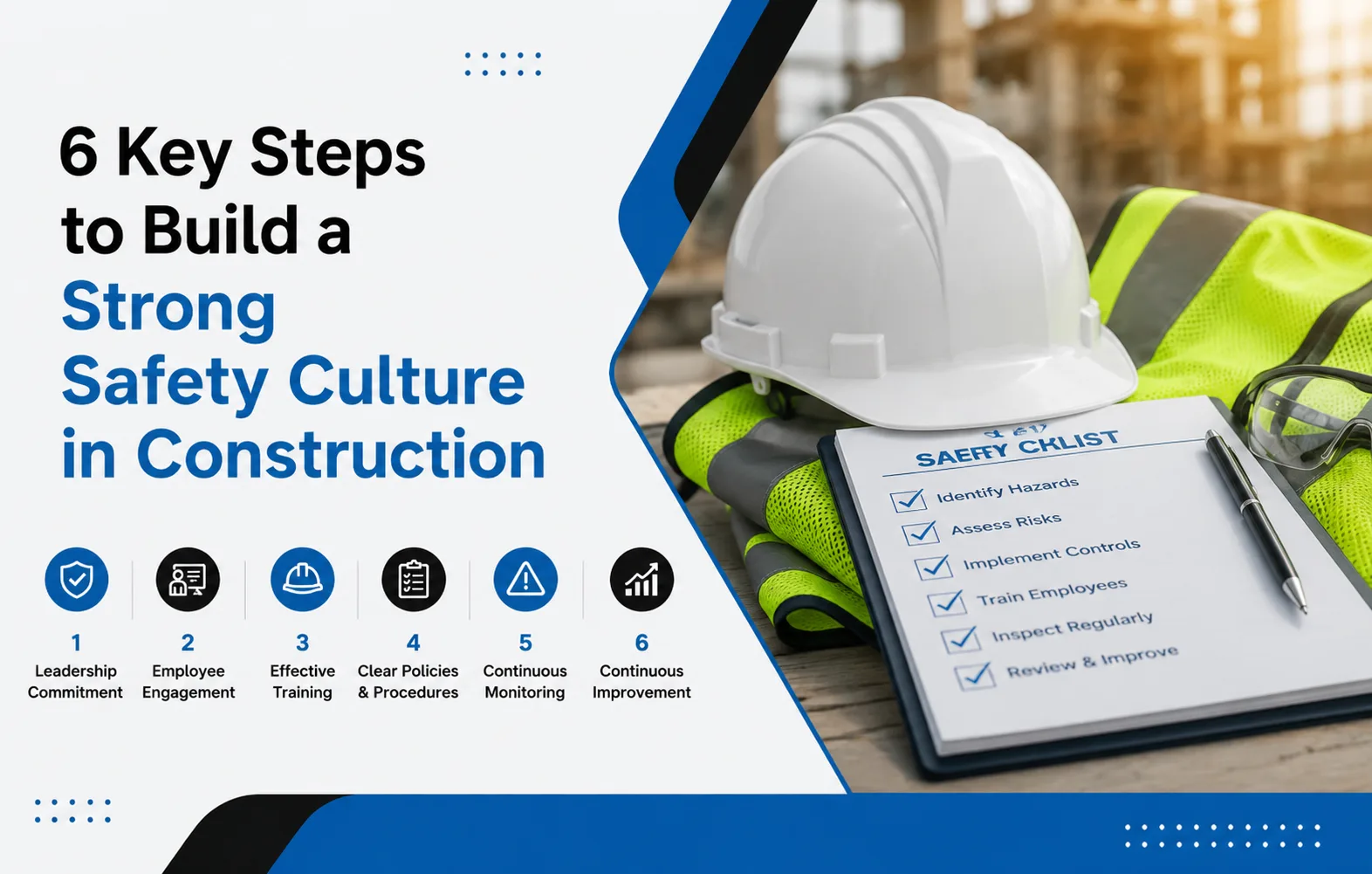
6 Key Steps to Build a Strong Safety Culture in Construction

Safety is arguably one of the most crucial elements in any construction project. Building a robust safety culture not only helps to safeguard your workers but it is also instrumental in enhancing productivity levels, minimizing project delays, and ultimately strengthening your brand reputation. If you’re a Construction Estimating Consultant, a contractor or one of the many trusted leading construction companies Sydney businesses count on, developing a safety-first working environment should be one of your main priorities.

At Construction Estimate Help, we recognize the importance of accurate planning, budget control, and a firm dedication to safety at the construction site. Below are six key steps to help establish a strong construction safety culture:

1. Leaders Should Take a Lead Role in Safety Culture

It is imperative that safety culture begins at the very top of any construction company. Leaders and managers should not only emphasize their commitment to employee safety at the site but they should consistently make an effort to uphold safe working habits themselves, as workers will always mirror what they see.

For construction businesses to cultivate a strong safety culture, leaders must also continually communicate their safety expectations, conduct on-site inspections, and most importantly, allocate the necessary resources required for training and procuring proper safety equipment. The presence of management at the work site is one of the most significant tips for boosting the construction safety culture.

2. Invest in Comprehensive Training for Your Workforce

It is essential that all workers have adequate knowledge about potential workplace hazards and learn correct safety practices for handling machinery and building materials. While on boarding new employees, the safety training must be thorough. Refresher courses should also be arranged periodically for existing workers.

The training should be conducted not just to meet the basic needs of the industry, but in order to prepare employees for changing regulations, new tools and technologies, as well as specific risks related to any given site. This helps in preventing accidents. In fact, this is one of the top Safety practices for construction companies.

3. Foster Open and Honest Communication

The key to a high safety culture is open and candid communication. It is important that every worker feels comfortable discussing hazards, near misses, and hazardous conditions without fear of repercussions or penalties.

Clear reporting channels should be established where employees can report all the concerns related to safety during meetings or toolbox talks. Active involvement of all workers in identifying and problem solving security concerns goes a long way in building trust and creating a secure working environment.

4. Incorporate Safety into the Planning Phase of the Project

Safety should be a paramount consideration starting from the early stages of a project. A reliable construction estimating company will assist in including all safety related costs and requirements in the initial planning of the construction project.

When all safety concerns are considered in the project plans, the company can then adequately arrange for necessary equipment, training, and safety features and thus effectively mitigate risks and help ensure long term success of the project.

5. Recognize and Reward Positive Safety Practices

Positive reinforcement can work wonders as an effective strategy for inculcating safe habits. Companies can implement reward programs for employees who not only follow safety rules religiously but also contribute to site safety.

These awards don’t have to be monetary; a certificate or public acknowledgement might be just as motivating for some employees. Awards serve to strengthen worker engagement and motivation for maintaining high safety standards, as they will be inspired to improve their performance.

6. Continuously Monitor and Improve Safety Performance

Creating and establishing a safe work environment doesn’t happen overnight; it takes continuous effort and monitoring to identify weak areas and work on them for improvement. Regular audits, review of all incident reports and analysis of safety performance metrics should be implemented for constant up gradation.

Several construction companies in Sydney rely on regular safety assessments and performances evaluations to assess how they are performing with relation to industry safety standards and to ensure that safety regulations are being adhered to at all times.

Conclusion

If you have been asking yourself How to build a safety-first culture in construction then look no further than emphasizing a leader-oriented, employee-focused approach that embraces effective training, open communication, thoughtful planning, rewarding positive work behavior, and persistent efforts toward improvement. These helpful Tips for improving safety culture in the construction industry are proven to reduce the number of workplace accidents, boost project efficiency, and secure a safe working environment for all individuals on site.

Construction Estimate Help supports building and construction professionals with high-quality estimating solutions that can help to enhance project planning, budgeting and management. Combining excellent safety practices with effective planning processes can help a construction business reach the heights of success in the industry while keeping its most prized asset – its workforce safe and secure.

FAQs

Why is safety culture important in construction?

A strong safety culture is vital in the construction industry as it helps to prevent accidents, improve overall productivity, reduce project costs, and ensure that all workers are provided with a safe working environment.

What are the best safety practices for construction companies?

The best safety practices for construction companies include regular safety training for employees, implementing systems for reporting hazards and near misses, leadership commitment to safety, providing all the necessary protective equipment, and conducting constant safety monitoring at the site.

How can a construction estimating company support safety initiatives?

A construction estimating company can support safety initiatives by including all costs related to safety, such as training, equipment, and risk management, within the project budget.

What role does a Construction Estimating Consultant play in project safety?

A Construction Estimating Consultant contributes to project safety by identifying all project needs, calculating safety-related expenses, and helping to incorporate safety requirements into the planning phase, thus enhancing project safety.

How often should safety training be conducted?

Safety training for employees should be provided during their on-boarding and should be updated continuously through refresher courses, site-specific training sessions, and toolbox talks.

Bid Analysis: Meaning, Process, Types, and Evaluation Criteria

As you know, we work within a competitive procurement and construction industry where Bid Analysis is one of the vital functions to select a suitable contractor, supplier or service provider. Regardless of what the specific field of working might be, such as Virtual Bid Management, construction estimating and bidding, procurement activities and others, the more informed we are about bid analysis, the more effective are our decisions, lower the cost and higher the project success.

Meaning of Bid Analysis

The definition of Bid Analysis is “the process of evaluating submitted proposals from vendors, contractors or suppliers to an open tender or RFP (Request for Proposal).” We must remember here that “best” value is not just the lowest price, but best value including consideration for cost, quality, capability, conformance and other project constraints and specifications.

In the case of Bid analysis in procurement, multiple factors should be analyzed for achieving efficiency in the expenditure and optimum resource allocation. The purpose of this is to avoid misleading evaluations.

How Does Bid Analysis Work?

Many people often ask “how does bid analysis work”. Generally, bid analysis involves receiving all proposals, reading the content and comparing different factors such as price structures, experience, qualifications of the bidder and others and finally selecting a suitable one based on multiple constraints and aspects.

It is important that a properly Structured Procurement bid assessment is performed. In other words, the process must be done systematically to make sure that one doesn’t make any faulty decision and to prevent the procurement risks arising from low qualified contractors. Accurate Construction estimating services are an essential component in the process to evaluate and compare submitted construction bids.

Bid Analysis Process

Here is the generally adopted Bid analysis process:

1. Bid Collection

All bids submitted are collected and systematically organized by the requirements specified in the tender.

2. Preliminary Screening

The irrelevant and invalid bids (late submissions, insufficient requirements, etc.) are rejected.

3. Technical Evaluation

Experience, expertise, capability and quality of the submitted proposal along with any methodology is assessed and evaluated.

4. Commercial Evaluation

Pricing structure, payment terms and finances of the submitted bid are reviewed.

5. Comparative Analysis

Comparison between all submitted bids to assess and analyze the strengths and weaknesses of each one.

6. Final Selection

A choice is made between all proposed bids based on best value, meeting project requirements etc.
Companies like Construction Estimate Help provide support to clients for Bid analysis.

Types of Bid Analysis

There are different types of bid analysis in a process and we need to decide which one is most appropriate for us.

  • Cost-Based Analysis- focuses on price
  • Technical Analysis- evaluates technical capability of a proposal
  • Financial Analysis- assesses financial strength and stability of the bid
  • Risk-Based Analysis- looks at risks in the delivery of a project
  • Value-Based Analysis- compares and contrasts multiple bids on a variety of criteria to assess overall value.

These are generally used in Tender bid analysis.

Bid Evaluation Criteria

When making the decision of evaluating proposals based on multiple aspects of a proposal; a specific set of Bid evaluation criteria is normally defined and followed. These could be:

  • Competitive pricing
  • Technical competence
  • Experience and past performance
  • Quality assurance procedures
  • Delivery schedule
  • Compliance to requirements
  • Financial stability
  • Safety record
  • Client references
  • Post-award service.

The selection of vendor through the process of Vendor bid evaluation.

Importance of Bid Analysis in Construction

Bid analysis is paramount for any construction project. As you might know, construction estimating and bidding is extremely important for all construction owners and contractors, whether or not using virtual bid management systems. This helps the owner to make informed decisions of who is the most suitable contractor, also providing them with valuable information as to whether a submitted construction bid is reasonable and cost-effective. Professional services, such as those of Construction Estimate Help, help clients by estimating construction costs, comparing sub-bids, and generally guiding them throughout the process.

Conclusion

Bid Analysis is undoubtedly a critical process in procurement and construction. Understanding its meaning, definition, various types and adopting appropriate bid evaluation criteria ensures optimum results are achieved at minimum cost while maintaining quality of the project. Bid Analysis whether through Virtual Bid Management solutions or simply conducting a Vendor bid evaluation will always serve in guiding the decision making process to ensure best project outcomes.

Frequently Asked Questions (FAQs)

What is bid analysis?

Bid analysis is the method of evaluating proposals submitted from different vendors, contractors, or suppliers to identify the best proposal for a project.

Why is bid analysis important in procurement?

Bid analysis in procurement leads to transparent, efficient and cost-effective procurement and expenditure.

What are the main types of bid analysis?

These types include the Cost-Based Analysis, Technical Analysis, Financial Analysis, Risk-Based Analysis and Value-Based Analysis.

How does bid analysis work in construction?

In construction, bid analysis compares contractor proposals with each other to determine the most appropriate contractor for the project based on various criteria such as cost, quality, and experience.

How can Construction Estimate Help assist with bid analysis?

Construction Estimate Help can help with construction estimating and bidding through various services that include construction estimating, bid reviews, cost analysis and more.

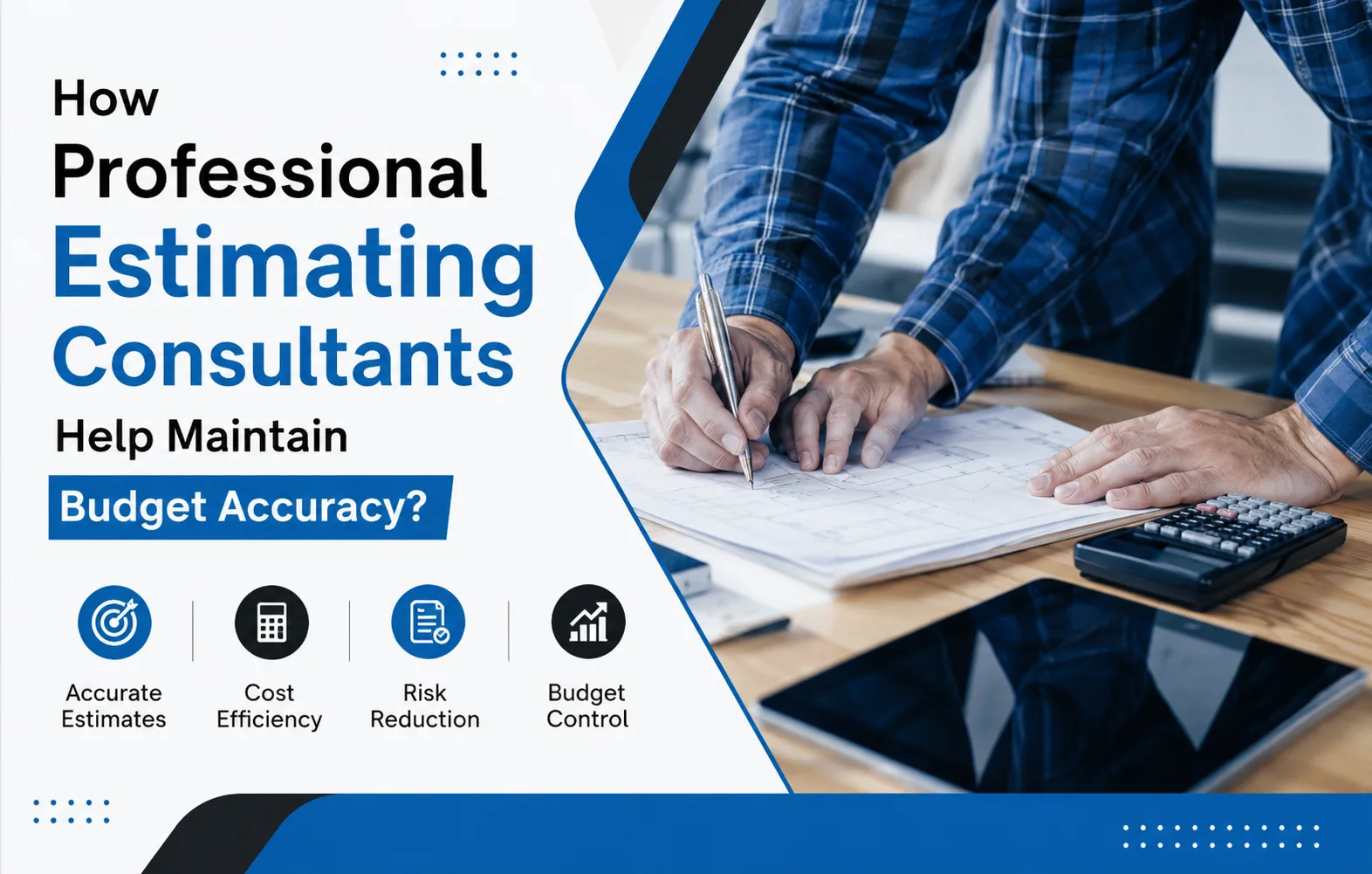
How Professional Estimating Consultants Help Maintain Budget Accuracy?

Budget adherence is arguably one of the largest concerns in the construction industry. As contractors, builders, developers, and even homeowners, unexpected costs, rising material prices, and imprecise calculation all contribute to significant budget blow-outs. That’s why a skilled Estimating Consultant is a crucial part of any construction project-they ensure cost accuracy, a necessary factor for any project that is managed efficiently. At Construction Estimate Help, we understand how accurate cost estimates form the foundation of a successful construction project, and provide all of the professional estimating services that your business needs to make intelligent and informed financial decisions without the uncertainty.

Why Budget Accuracy Matters

Planning the budget of your construction project is critical to ensuring that the project is undertaken with the best interests of the business in mind. By planning your budget, you are allocating appropriate funds to each part of the project, allowing for manageable risks and profitable business ventures. The financial consequences of an inaccurate estimate, even if it is only a minor one, can be substantial. A professional Estimator understands industry standards, employ state of the art calculation methods, and utilize specialized software to determine precisely how much each part of a construction project should cost before it begins. Working with an experienced Construction Estimating Consultant ensures you know the exact costs of your labor, materials, machinery and subcontracted works.

The Role of an Estimating Consultant

An Estimating Consultant is a specialist trained in assessing the cost of construction. In addition to quantifying all the work involved in your project, they are adept at identifying any risks to cost, such as increased costs of materials, which could arise during the duration of the project. The services of an Estimating Consultant normally include:

  • Quantity Takeoffs
  • Materials costs
  • Labor costs
  • Bidding and proposal preparation
  • Budget forecasting
  • Value engineering advice

An Estimating Consultant will look at every stage of a construction project in great detail to pinpoint potential financial risks associated with building-these analyses will then allow the contractors submitting the proposal or bid on the project to know exactly what price to present to ensure that their profits will be protected, while remaining competitive.

Benefits of Professional Cost Estimating Services

While engaging professional Cost Estimating Services may seem an unnecessary extra cost, there are numerous benefits that your business can reap when implementing these services.

Better Financial Planning

Cost estimating helps the stakeholders of the construction project to become more acquainted with the anticipated costs before construction has begun. This helps to improve the budget of your project and prevent future financial difficulty.

Reduced Cost Overruns

By engaging the expertise of a professional estimator, potential cost risks that could arise over the duration of a project can be addressed at an earlier stage and consequently reduce potential cost overruns that could arise later on.

Improved Bid Accuracy

Using accurate cost estimates can allow contractors and companies to submit bids and proposals at more competitive rates, while still allowing the company to protect its profits.

Better Decision-Making

A clearer picture of the potential financial requirements for a project allows all stakeholders to evaluate alternative options when faced with changes, either in the project design or within market conditions, ultimately making more intelligent and profitable decisions.

Construction Estimation Sydney: Supporting Local Projects

The need for Construction Estimation Sydney is steadily rising as building and development becomes a highly competitive industry. Whether it be residential or commercial construction, builders and developers throughout Sydney are relying on the importance of cost accuracy in order to bid effectively on the latest construction jobs, and keep profits high. From residential and commercial construction to industrial and infrastructure projects, the accuracy of estimation provided by these services will be crucial to ensuring budgets match project requirements and market demands, as well as having specific local construction knowledge relating to wages, materials and current legislation.

Residential Estimating Services for Homeowners and Builders

Residential Estimating Services also benefit homeowners and professional builders in terms of construction cost accuracy. The services are equally valuable when working from detailed blueprints of a potential home build, or if a renovation or improvement is in process. By obtaining reliable Residential Estimating Service from a professional estimator, homeowners can obtain a precise look at what labor costs will be, what materials and permits will be necessary, and any additional costs that should be accounted for during their build or renovation-This takes financial worry away from homeowners, and enables them to approach the project with complete confidence.

Why Choose Construction Estimate Help?

At Construction Estimate Help, we provide a full range of estimating services that will enhance your construction project. Our dedicated team of professional estimators uses both state of the art estimation technology and tried-and-tested methods to provide estimates that are both timely and entirely accurate. Our clients rely on our services to provide accurate project costs and valuable planning support. From the initial bids you create through to your budget forecasts, and quantity takeoffs-we will support you every step of the way.

Conclusion

Successful construction project completion depends heavily on effective budget management. Accurate Cost Estimating Services, aided by a skilled Construction Estimating Consultant, detailed Construction Estimation Sydney services, and a professional Residential Estimating Service will allow all parties involved in a construction project to achieve their financial goals, without costly risks.

FAQ

1. What does an Estimating Consultant do?

An Estimating Consultant analyzes project plans and calculates construction costs, including materials, labor, equipment, and subcontractor expenses.

2. Why are Cost Estimating Services important?

Cost Estimating Services help prevent budget overruns, improve financial planning, and support accurate project bidding.

3. How can a Construction Estimating Consultant improve project profitability?

By providing precise estimates and identifying potential cost risks, a Construction Estimating Consultant helps contractors maintain healthy profit margins.

4. What types of projects benefit from Construction Estimation Sydney services?

Residential, commercial, industrial, and infrastructure projects in Sydney can benefit from professional construction estimation services.

5. Are Residential Estimating Services useful for home renovations?

Yes. Residential Estimating Services help homeowners and contractors accurately budget for renovations, extensions, and new home construction projects.

A Complete Guide to Cost Estimation in Construction Projects

Cost estimation is one of the most important aspects of any construction project. Whether it is a residential building, commercial property, or infrastructure development, accurate budgeting helps ensure that projects are completed on time and within budget. Effective Cost Estimating allows contractors, builders, and project owners to understand financial requirements before construction begins, reducing the risk of unexpected expenses and delays.

In today’s competitive construction industry, many businesses rely on professionaCost Estimating Services to improve accuracy and streamline project planning. This guide explores the fundamentals of construction cost estimation and explains why it is essential for project success.

What Is Construction Cost Estimation?

Construction cost estimation is the process of calculating the total expenses required to complete a construction project. These costs typically include materials, labor, equipment, permits, overhead expenses, and contingencies. The goal is to provide stakeholders with a realistic financial projection that supports informed decision making.

Professional estimators use historical data, market pricing, project specifications, and industry software to create detailed estimates. Many construction cost estimating firms specialize in delivering accurate estimates for projects of all sizes and complexities.

Why Cost Estimation Matters

Accurate cost estimating for construction plays a crucial role in project planning and execution. Here are some key benefits:

1. Better Budget Management

A detailed estimate helps project owners allocate resources effectively and avoid budget overruns.

2. Improved Project Planning

Cost estimates provide a financial roadmap that supports scheduling, procurement, and workforce planning.

3. Competitive Bidding

Contractors can submit competitive and profitable bids when they have reliable project cost data.

4. Reduced Financial Risk

Accurate estimates minimize the likelihood of unexpected expenses that can negatively impact project profitability.

Key Components of Construction Cost Estimation

Material Costs

Material pricing often represents a significant portion of project expenses. Estimators calculate quantities and current market rates to determine accurate material costs.

Labor Costs

Labor expenses include wages, benefits, and productivity rates for workers involved in the project.

Equipment Costs

Construction equipment rental, maintenance, fuel, and operational expenses are included in the estimate.

Overhead and Profit

Administrative costs, insurance, office expenses, and desired profit margins are also factored into the final estimate.

Contingency Allowance

A contingency budget is added to account for unforeseen circumstances such as design changes or material price fluctuations.

The Role of Quantity Takeoffs

A critical step in the estimation process is quantity takeoff and cost estimating. Quantity takeoff involves measuring and listing all materials required for a project based on construction drawings and specifications.

Accurate quantity takeoffs ensure that estimators calculate costs based on actual project requirements rather than assumptions. This process helps eliminate waste, reduce procurement errors, and improve overall estimate accuracy.

Choosing Professional Cost Estimating Services

Many contractors and developers choose external Cost Estimating Services to save time and improve precision. Professional estimators have access to industry databases, advanced software, and market insights that help produce reliable estimates.

For projects in highly competitive markets, such as New York, specialized ny cost estimating & takeoff services can provide location-specific pricing data and regional expertise. This ensures estimates reflect current labor rates, material costs, and local construction conditions.

How Construction Estimate Help Supports Your Projects

Construction Estimate Help provides professional estimating solutions designed to help contractors, builders, architects, and developers make informed decisions. Their experienced team delivers accurate Cost Estimating, detailed quantity takeoffs, and comprehensive project budgets tailored to specific project requirements.

By leveraging industry leading tools and proven methodologies, Construction Estimate Help helps clients improve bid accuracy, control project costs, and increase profitability.

Conclusion

Cost estimation is the foundation of successful construction project management. Accurate cost estimating for construction supports budgeting, scheduling, bidding, and risk management. Whether you’re managing a small residential build or a large commercial development, professional estimating services can make a significant difference in project outcomes.

Partnering with trusted experts such as Construction Estimate Help ensures you receive accurate estimates, detailed takeoffs, and valuable insights that contribute to project success from start to finish.

FAQs

1. What is Cost Estimating in construction?

Cost Estimating is the process of calculating the total expenses required to complete a construction project, including labor, materials, equipment, and overhead costs.

2. Why are Cost Estimating Services important?

Cost Estimating Services help improve budgeting accuracy, reduce financial risks, and support better project planning and decision making.

3. What is quantity takeoff and cost estimating?

Quantity takeoff and cost estimating involve measuring required materials from project plans and calculating their associated costs to create an accurate project estimate.

4. How do construction cost estimating firms help contractors?

Construction cost estimating firms provide professional estimates that improve bid accuracy, save time, and increase project profitability.

5. What are NY cost estimating & takeoff services?

NY cost estimating & takeoff services specialize in providing construction estimates based on New York market conditions, labor rates, and material pricing.

Construction Cost Estimating Services in Hawaii – Precision for Every Project

Accurate budgeting is the foundation of every successful construction project. Whether you’re planning a residential renovation, commercial development, or large scale infrastructure project, reliable Cost Estimating Services can make the difference between staying on budget and facing costly overruns. In Hawaii, where material transportation, labor costs, and island specific logistics can significantly impact expenses, precise construction estimates are more important than ever.

This is where Construction Estimate Help provides professional estimating solutions designed to support contractors, builders, developers, and property owners throughout Hawaii.

Why Construction Cost Estimating Matters

Construction projects involve numerous variables, including materials, labor, equipment, permits, and subcontractor expenses. Without a detailed estimate, project costs can quickly spiral out of control.

Professional cost estimating for construction helps stakeholders:

  • Develop realistic project budgets
  • Submit competitive bids
  • Improve resource allocation
  • Reduce financial risks
  • Minimize unexpected expenses
  • Increase project profitability

Accurate estimates provide a clear roadmap for every phase of construction, allowing teams to make informed decisions from start to finish.

Challenges of Construction Projects in Hawaii

Hawaii presents unique construction challenges compared to mainland projects. Materials often need to be shipped across the Pacific, leading to higher transportation costs and longer delivery times. Labor availability can also fluctuate depending on project demand and location.

Because of these factors, working with experienced construction cost estimating firms is essential. Professional estimators understand regional pricing trends, local building requirements, and island specific construction costs, helping clients create realistic budgets that reflect actual market conditions.

Comprehensive Cost Estimating Services

Construction Estimate Help provides detailed estimating services for various project types, including:

Residential Construction

Accurate Residential Estimating Services help homeowners, builders, and developers understand project costs before construction begins. Services cover:

  • New home construction
  • Home additions
  • Renovations and remodeling
  • Multi family housing developments
  • Custom residential projects

Detailed quantity takeoffs and pricing analyses ensure every aspect of the project is properly budgeted.

Commercial Construction

Commercial projects require thorough planning and precise cost control. Estimating services include:

  • Office buildings
  • Retail developments
  • Hotels and resorts
  • Healthcare facilities
  • Educational institutions

Professional estimates help contractors submit accurate bids while maintaining profit margins.

Trade Specific Estimates

Construction Estimate Help also provides specialized estimates for various construction trades, including:

  • Concrete
  • Masonry
  • Electrical
  • Plumbing
  • Roofing
  • Flooring
  • Framing
  • Painting

Detailed trade estimates improve project planning and subcontractor coordination.

Understanding Drywall Costs

One of the most common concerns in residential and commercial projects is drywall cost. Several factors affect drywall pricing, including:

  • Total square footage
  • Type of drywall selected
  • Labor rates
  • Ceiling height
  • Project complexity
  • Finishing requirements

Professional estimators calculate material quantities and labor requirements accurately, helping clients avoid underestimating or overestimating drywall expenses.

Benefits of Professional Estimating Services

Partnering with experienced estimators offers several advantages:

Improved Bid Accuracy

Accurate estimates help contractors submit competitive bids without sacrificing profitability.

Time Savings

Preparing detailed takeoffs manually can be time consuming. Professional estimating services allow contractors to focus on project management and business growth.

Better Budget Management

Comprehensive estimates help clients understand where money will be spent and identify opportunities for cost savings.

Reduced Financial Risk

Detailed cost breakdowns minimize the chances of budget overruns and unexpected project expenses.

Why Choose Construction Estimate Help?

Construction Estimate Help combines industry expertise, advanced estimating software, and local market knowledge to deliver highly accurate construction estimates. Whether you need support for residential, commercial, or specialized trade projects, the team provides dependable estimating solutions tailored to Hawaii’s unique construction environment.

Their commitment to precision helps clients make informed decisions, win more bids, and complete projects successfully.

Conclusion

Construction projects in Hawaii require careful planning and accurate budgeting to overcome island specific challenges and maintain profitability. Professional Cost Estimating Services provide the financial clarity needed for successful project execution. From Residential Estimating Services to commercial developments and detailed cost estimating for construction, Construction Estimate Help delivers the precision and reliability every project deserves.

(FAQs)

1. What are Cost Estimating Services?

Cost Estimating Services involve calculating project expenses, including materials, labor, equipment, and overhead costs before construction begins.

2. Why should I hire construction cost estimating firms?

Professional construction cost estimating firms provide accurate estimates that help reduce risk, improve budgeting, and increase bid success rates.

3. What is included in Residential Estimating Services?

Residential Estimating Services typically include quantity takeoffs, labor calculations, material pricing, and complete project cost breakdowns.

4. How is drywall cost calculated?

Drywall cost depends on material type, square footage, labor rates, finishing requirements, and project complexity.

5. Can estimating services help contractors win more bids?

Yes. Accurate estimates allow contractors to submit competitive bids while maintaining healthy profit margins and reducing financial risk.

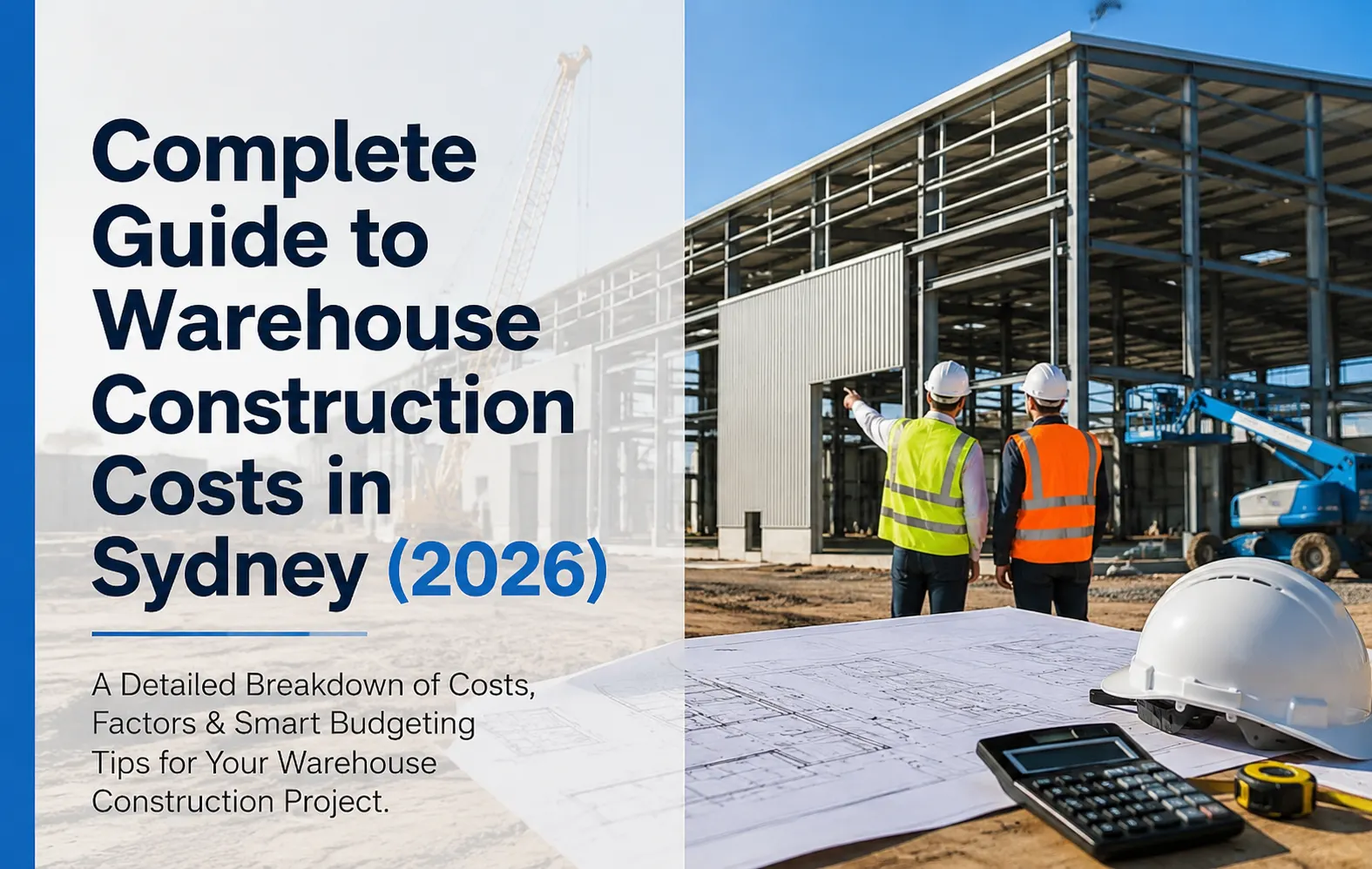
Complete Guide to Warehouse Construction Costs in Sydney (2026)

Warehouse construction in Sydney continues to grow in 2026 as businesses expand their logistics, storage, manufacturing, and distribution operations. Whether you’re planning a small storage facility or a large-scale industrial warehouse, understanding construction costs is essential for budgeting and project success. This guide covers the key factors affecting warehouse construction costs and how professional estimating services can help you achieve accurate project planning.

Understanding Warehouse Construction Costs in Sydney

The cost of building a warehouse in Sydney depends on several factors, including location, size, design complexity, materials, labor, and site conditions. Industrial construction projects require careful planning to ensure cost efficiency while meeting operational requirements.

In 2026, warehouse construction costs generally vary based on:

  • Warehouse size and floor area
  • Steel structure requirements
  • Foundation and earthworks
  • Site accessibility
  • Internal office fit-outs
  • Mechanical and electrical installations
  • Fire protection systems
  • Local council approvals

Working with experienced construction companies Sydney can help developers accurately estimate costs and avoid unexpected expenses during construction.

Key Factors Affecting Warehouse Construction Costs

1. Warehouse Size and Design

The overall size of the warehouse significantly impacts construction expenses. Larger facilities often benefit from economies of scale, reducing the cost per square meter. However, specialized designs, high-clearance storage areas, and advanced logistics infrastructure can increase project costs.

2. Site Preparation and Earthworks

Before construction begins, the site must be cleared, leveled, and prepared. Factors such as soil conditions, drainage requirements, and excavation needs can substantially affect the final budget.

3. Construction Materials

Steel remains the preferred material for warehouse structures due to its durability and cost-effectiveness. Material prices fluctuate based on market conditions, making accurate estimation critical.

Many big construction companies Sydney rely on detailed estimating services to manage material procurement efficiently and minimize waste.

4. Labor Costs

Sydney’s skilled construction workforce contributes significantly to project costs. Labor expenses depend on project complexity, duration, and specialized trade requirements.

5. Building Services and Compliance

Modern warehouses often require:

  • Electrical systems
  • HVAC installations
  • Fire protection systems
  • Security infrastructure
  • Loading docks

Compliance with Australian building regulations also adds to overall project expenses.

Why Accurate Construction Estimation Matters

One of the most important aspects of warehouse development is obtaining precise cost estimates before construction begins. Professional Construction Estimation Sydney services help developers, builders, and investors make informed decisions by providing detailed cost breakdowns.

Benefits of professional estimation include:

  • Accurate budgeting
  • Reduced financial risk
  • Improved resource planning
  • Better project scheduling
  • Enhanced profitability

Construction Estimate Help specializes in delivering reliable estimating solutions tailored to industrial and commercial projects throughout Sydney.

Choosing the Right Construction Partner

Sydney offers a wide range of contractors, from small construction companies Sydney to major industry leaders. Selecting the right partner depends on project size, budget, and expertise requirements.

When evaluating contractors, consider:

  • Industry experience
  • Previous warehouse projects
  • Client testimonials
  • Project management capabilities
  • Cost transparency

Many top construction companies Sydney work closely with professional estimators to ensure every project remains within budget and on schedule.

The Role of Opening Estimating Services

Professional Opening Estimating Services provide detailed quantity takeoffs and cost analyses during the early planning stages. These services help stakeholders understand project feasibility before committing substantial resources.

With accurate estimates, developers can:

  • Secure financing
  • Compare contractor bids
  • Identify cost-saving opportunities
  • Avoid budget overruns

Construction Estimate Help offers comprehensive estimating services designed to support warehouse construction projects from concept to completion.

Conclusion

Warehouse construction in Sydney represents a significant investment, making accurate cost planning essential in 2026. Factors such as site preparation, materials, labor, and building services all contribute to overall project expenses. Partnering with experienced contractors and utilizing professional estimating services can help ensure successful project outcomes.

Whether you’re working with construction companies Sydney, evaluating big construction companies Sydney, considering small construction companies Sydney, or comparing top construction companies Sydney, accurate estimating remains the foundation of effective project management. Construction Estimate Help provides trusted Construction Estimation Sydney and Opening Estimating Services to help clients build with confidence.

FAQ

What is the average cost of warehouse construction in Sydney?

Warehouse construction costs vary depending on size, location, design, and project specifications. Professional estimates provide the most accurate cost projections.

Why is construction estimation important for warehouse projects?

Construction estimation helps establish realistic budgets, reduce financial risks, and improve project planning.

How do construction companies calculate warehouse costs?

Contractors evaluate materials, labor, equipment, site conditions, and compliance requirements to determine project costs.

What services are included in Construction Estimation Sydney?

Services typically include quantity takeoffs, material estimates, labor calculations, budgeting, and cost forecasting.

How can Opening Estimating Services help developers?

Opening Estimating Services provide early-stage cost assessments that help determine project feasibility and support informed decision-making.

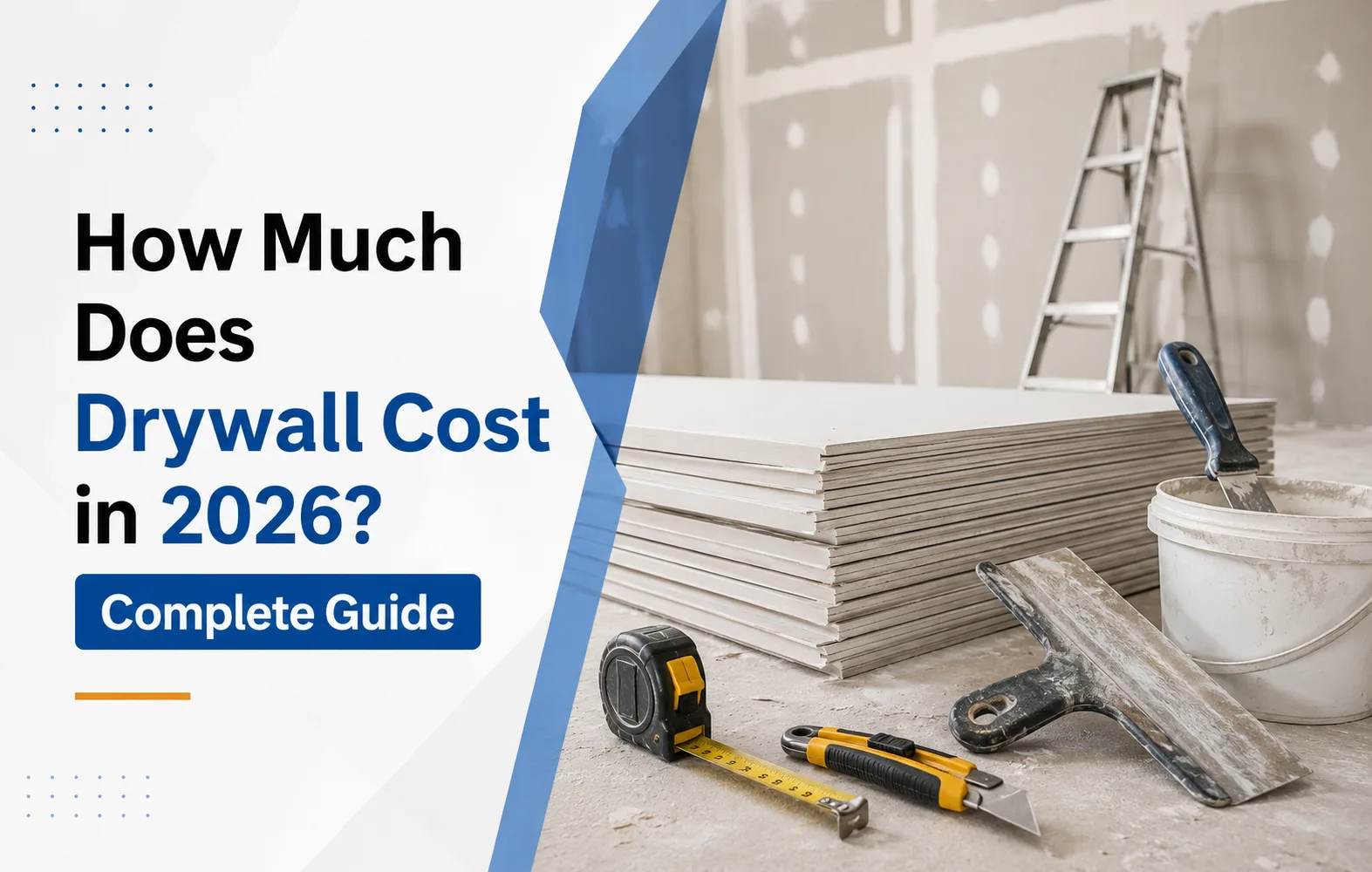
How Much Does Drywall Cost in 2026? Complete Guide

Drywall remains one of the most popular materials for interior wall and ceiling construction due to its affordability, durability, and ease of installation. Whether you are building a new home, renovating an office, or remodeling a room, understanding the drywall cost in 2026 is essential for effective budgeting and project planning.

In this guide, we’ll break down the factors that influence drywall pricing, the drywall cost per square foot, and how professional Cost Estimating Services can help you avoid unexpected expenses.

What Is the Average Drywall Cost in 2026?

The average drywall cost per square foot typically ranges from $1.50 to $4.50, depending on material quality, labor rates, project size, and location. For a standard room, homeowners can expect to spend anywhere from $800 to $3,000 for complete drywall installation.

Several factors impact the final price, including:

  • Type and thickness of drywall
  • Room size and complexity
  • Labor costs
  • Finishing requirements
  • Geographic location

Drywall Material Costs

Modern Drywall Panels for Reliable Interior Construction come in various types designed for specific applications. Standard drywall panels are generally the most affordable, while moisture-resistant, fire-resistant, and soundproof drywall options cost more.

On average, drywall sheets cost between $12 and $30 per panel. Larger projects often benefit from bulk purchasing, reducing overall material expenses.

Cost to Install Drywall

The Cost to Install Drywall includes both materials and labor. Labor typically accounts for 40% to 60% of the total project cost. Professional installers charge based on square footage, wall height, ceiling complexity, and finishing requirements.

Installation services may include:

  • Measuring and cutting drywall
  • Hanging panels
  • Applying joint tape
  • Mudding and sanding
  • Surface preparation for painting

For a standard residential project, drywall installation can range from $2.00 to $5.00 per square foot.

Factors Affecting Drywall Costs

1. Project Size

Larger projects generally have lower per-square-foot costs because contractors can spread labor and equipment expenses across a bigger area.

2. Drywall Type

Specialty drywall products such as moisture-resistant or fire-rated panels increase material costs but provide added protection and durability.

3. Labor Rates

Labor costs vary significantly by region and contractor experience. Urban areas often have higher installation rates than rural locations.

4. Ceiling Installation

Installing drywall on ceilings requires additional labor and equipment, increasing project costs.

5. Finishing Level

Higher-quality finishes demand more sanding, coating, and preparation, leading to increased labor expenses.

Why Use a Drywall Cost Estimator?

A professional drywall cost estimator helps contractors, builders, and homeowners accurately forecast project expenses before construction begins.

Benefits include:

  • Accurate material quantity calculations
  • Labor cost forecasting
  • Reduced budget overruns
  • Better project planning
  • Competitive bidding support

Using a reliable estimator allows project stakeholders to make informed decisions and avoid costly surprises.

The Importance of Professional Cost Estimating Services

Professional Cost Estimating Services provide detailed project breakdowns that improve budgeting accuracy and project efficiency. Estimators analyze plans, calculate quantities, evaluate labor requirements, and identify potential cost-saving opportunities.

At Construction Estimate Help, our experienced estimating professionals deliver precise drywall estimates for residential, commercial, and industrial projects. Our goal is to help clients maximize profitability while minimizing risk.

Conclusion

Understanding drywall cost is crucial when planning any interior construction or renovation project. Factors such as material type, labor rates, project complexity, and finishing requirements all influence the final price. By using a professional drywall cost estimator and trusted Cost Estimating Services, you can ensure accurate budgeting and successful project execution.

Whether you’re a homeowner, contractor, or developer, investing in quality Drywall Panels for Reliable Interior Construction and professional estimating support can save both time and money in 2026.

Frequently Asked Questions (FAQs)

1. What is the average drywall cost per square foot in 2026?

Most projects range between $1.50 and $4.50 per square foot, depending on materials and labor.

2. What affects the Cost to Install Drywall?

Factors include project size, drywall type, labor rates, ceiling work, and finish quality.

3. How much does a drywall sheet cost?

Standard drywall panels typically cost between $12 and $30 per sheet.

4. Why should I use a drywall cost estimator?

A drywall cost estimator helps calculate accurate material and labor costs, reducing budgeting errors.

5. How can Construction Estimate Help assist my project?

Construction Estimate Help provides professional Cost Estimating Services that deliver accurate drywall takeoffs and cost estimates for construction projects.

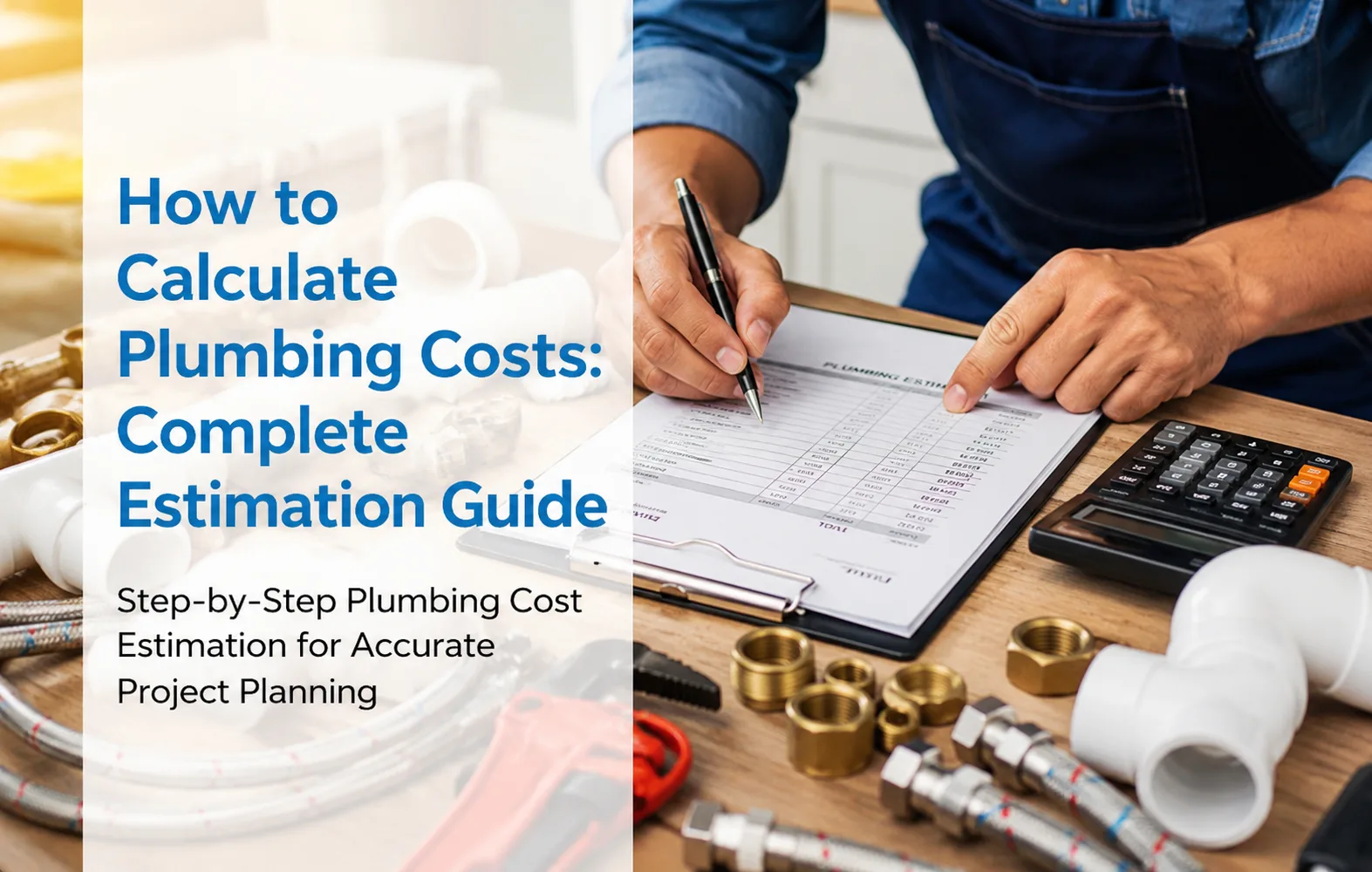
How to Calculate Plumbing Costs: Complete Estimation Guide

Accurately estimating plumbing costs is essential for the success of any construction or renovation project. Whether you are a contractor, builder, homeowner, or project manager, understanding the factors that influence plumbing expenses can help you create realistic budgets and avoid costly surprises. This guide explains how to calculate plumbing costs and highlights the importance of professional Cost Estimating Services for accurate project planning.

Understanding Plumbing Cost Estimation

Plumbing cost estimation involves calculating all expenses associated with installing, repairing, or upgrading a plumbing system. A reliable estimate includes material costs, labor charges, equipment expenses, permits, and contingency allowances.

Professional estimators often use specialized software and industry databases to ensure precise calculations. Hiring a Construction Estimating Consultant can significantly improve the accuracy of your project budget.

Key Factors Affecting Plumbing Costs

1. Material Costs

Materials typically represent a substantial portion of plumbing expenses. Common materials include:

  • Pipes and fittings
  • Valves and fixtures
  • Water heaters
  • Pumps and drainage systems

The quality and type of materials selected will directly impact the overall plumbing services cost.

2. Labor Expenses

Labor costs vary based on project complexity, location, and contractor experience. Tasks such as installing new plumbing systems generally require more labor hours than simple repairs.

3. Project Size and Scope

The larger the project, the greater the material and labor requirements. A complete plumbing installation for a new building will cost significantly more than replacing a few fixtures.

4. Permit and Inspection Fees

Many plumbing projects require permits and inspections to comply with local building regulations. These costs should always be included in your estimate.

5. Equipment and Tools

Specialized equipment such as pipe threading machines, trenching tools, or leak detection systems may be necessary for certain projects, adding to the overall cost.

Step-by-Step Process for Calculating Plumbing Costs

Step 1: Review Project Plans

Carefully examine blueprints, specifications, and plumbing layouts. Identify all fixtures, pipe runs, and system requirements.

Step 2: Perform a Quantity Takeoff

Measure and list all plumbing materials required for the project. This includes pipes, fittings, valves, fixtures, and accessories.

Step 3: Determine Material Prices

Research current market rates or use supplier quotations to calculate accurate material costs.

Step 4: Estimate Labor Hours

Assess the time required for installation, testing, and commissioning. Multiply estimated labor hours by local labor rates.

Step 5: Add Equipment and Permit Costs

Include rental equipment fees, permit charges, and inspection costs.

Step 6: Include Contingency Costs

Most estimators add a contingency allowance of 5–10% to cover unforeseen expenses.

Step 7: Calculate the Final Estimate

Combine material, labor, equipment, permit, and contingency costs to determine the total project budget.

Benefits of Professional Cost Estimating Services

Many construction professionals rely on expert Cost Estimating Services to improve project accuracy and profitability. Professional estimators provide:

  • Detailed quantity takeoffs
  • Accurate pricing data
  • Reduced budgeting errors
  • Faster bid preparation
  • Improved project planning

A qualified plumbing cost estimator can help identify hidden expenses and ensure that every aspect of the project is accounted for before construction begins.

Why Choose Construction Estimate Help?

Construction Estimate Help offers professional estimating solutions tailored to contractors, builders, and developers. Their experienced team provides accurate plumbing estimates, helping clients reduce risks, save time, and improve project profitability. Whether you need residential, commercial, or industrial estimates, their experts deliver reliable results that support successful project execution.

Conclusion

Calculating plumbing costs requires careful planning, accurate quantity takeoffs, and up to date pricing information. By understanding the factors that influence plumbing services cost and utilizing professional Cost Estimating Services, you can develop realistic budgets and avoid costly overruns. Working with an experienced Construction Estimating Consultant ensures greater accuracy and confidence throughout the construction process.

FAQs

1. What does a plumbing cost estimator do?

A plumbing cost estimator calculates material, labor, equipment, and permit costs to create an accurate project budget.

2. What factors affect plumbing costs the most?

Material quality, labor rates, project complexity, permits, and equipment requirements are the primary cost drivers.

3. Why are Cost Estimating Services important?

They improve budget accuracy, reduce financial risks, and help contractors submit competitive bids.

4. How can a Construction Estimating Consultant help?

A consultant provides professional cost analysis, quantity takeoffs, and budgeting support for construction projects.

5. Can plumbing estimates reduce project overruns?

Yes. Accurate estimates help identify costs early, enabling better planning and minimizing unexpected expenses during construction.

#PlumbingCosts #PlumbingEstimate #CostEstimatingServices #PlumbingCostEstimator #ConstructionEstimating #ConstructionEstimateHelp #PlumbingServices #ConstructionConsultant #QuantityTakeoff #ConstructionBudgeting #CostEstimation #BuildingCosts #ContractorLife #ConstructionIndustry #ProjectManagement #EstimatingServices #ResidentialConstruction #CommercialConstruction #ConstructionPlanning #ConstructionExperts #Builders #GeneralContractor #PlumbingContractor #ConstructionBusiness #BudgetPlanning #ProjectEstimating #ConstructionSolutions #TakeoffServices #ConstructionProjects #EstimatingConsultant

Quick & Accurate Single-Family Residential Quantity Takeoff Services

In the competitive construction industry, accurate planning is the foundation of every successful residential project. Whether you’re a contractor, builder, developer, or remodeler, having precise material quantities and cost estimates can significantly improve project outcomes. This is where professional Quantity Takeoff Services play a crucial role.

At Construction Estimate Help, we provide quick and accurate single family residential quantity takeoff solutions designed to help construction professionals save time, reduce waste, and submit more competitive bids.

What Are Single Family Residential Quantity Takeoff Services?

A quantity takeoff is the process of calculating the materials, labor quantities, and measurements required for a construction project based on architectural and engineering drawings. For single family residential projects, this includes estimating quantities for:

  • Concrete and foundation materials
  • Lumber and framing components
  • Roofing materials
  • Drywall and insulation
  • Doors and windows
  • Flooring finishes
  • Electrical and plumbing systems
  • Exterior finishes and landscaping elements

Professional Construction Takeoff Services ensure that every item is accurately measured and documented before construction begins.

Why Accurate Quantity Takeoffs Matter

Errors in quantity calculations can lead to costly project delays, material shortages, budget overruns, and lost bids. Accurate takeoffs help contractors make informed decisions and improve project profitability.

Key benefits include:

Better Cost Control

Knowing the exact quantities required allows contractors to order materials efficiently and avoid unnecessary expenses.

Faster Bid Preparation

Detailed takeoff reports streamline the estimating process, allowing contractors to submit proposals quickly and confidently.

Reduced Material Waste

Precise measurements help minimize over ordering and reduce waste on the job site.

Improved Project Planning

Accurate quantity data helps project managers allocate resources effectively and maintain construction schedules.

Comprehensive Residential Estimating Services

Beyond material quantification, our Residential Estimating Services provide detailed cost estimates tailored to single family residential construction projects.

Our estimates typically include:

  • Material costs
  • Labor costs
  • Equipment expenses
  • Subcontractor pricing
  • Overhead and profit calculations

With detailed estimates, contractors can improve bid accuracy and enhance their chances of winning profitable projects.

Fast Turnaround for Busy Contractors

Construction projects often operate under tight deadlines. Waiting days or weeks for estimates can result in missed bidding opportunities.

At Construction Estimate Help, we understand the urgency of residential projects. Our team delivers fast and reliable quantity takeoffs, typically within 24–48 hours, depending on project complexity. This quick turnaround helps contractors stay ahead of competitors and respond promptly to bid invitations.

The Role of Virtual Bid Management

Modern construction companies increasingly rely on Virtual Bid Management solutions to streamline bidding operations.

Virtual bid management services help contractors:

  • Track bid invitations
  • Organize project documents
  • Monitor submission deadlines
  • Coordinate subcontractor quotes
  • Manage multiple bids simultaneously

By combining quantity takeoffs, estimating services, and virtual bid management, contractors can create a more efficient and scalable bidding process.

Why Choose Construction Estimate Help?

Construction Estimate Help specializes in providing professional estimating and takeoff services for residential construction projects of all sizes.

Our team offers:

  • Accurate and detailed takeoff reports
  • Experienced construction estimators
  • Fast delivery times
  • Affordable pricing
  • Industry standard estimating software
  • Customized solutions for residential builders and contractors

We focus on delivering reliable data that helps clients make better business decisions and improve project profitability.

Conclusion

Accurate quantity takeoffs are essential for the success of any single family residential construction project. Professional Construction Takeoff Services provide the detailed measurements needed to reduce errors, control costs, and prepare competitive bids. When combined with expert Residential Estimating Services and efficient Virtual Bid Management, contractors gain the tools needed to manage projects more effectively and maximize profits.

At Construction Estimate Help, we are committed to delivering quick, accurate, and dependable Quantity Takeoff Services that help residential builders stay competitive in today’s fast paced construction market.