WhatsApp
Hi there 👋
Request Free Estimate

Our experts can help you!
constructionestimatehelp.au@gmail.com
+1 (240) 8399485

How Construction Professionals Can Overcome Metals Estimating Challenges?

Accurate cost estimation is essential for the success of any construction project. However, estimating metal requirements can be particularly challenging due to fluctuating material prices, complex project specifications, and tight deadlines. Construction professionals must adopt effective strategies to overcome these obstacles and ensure profitable project outcomes. Utilizing professional Metal Estimating Services can significantly improve accuracy and efficiency throughout the bidding and construction process.

Common Challenges in Metal Estimating

Metal estimation involves calculating the quantity, cost, and labor requirements associated with structural steel, rebar, sheet metal, and other metal components. Several challenges can affect the accuracy of these estimates.

1. Fluctuating Material Prices

Metal prices frequently change due to market conditions, supply chain disruptions, and global economic factors. These price fluctuations make it difficult for estimators to prepare accurate bids and maintain project profitability.

2. Complex Project Designs

Modern construction projects often feature intricate architectural and structural designs. Estimating metal quantities for such projects requires detailed analysis of drawings, specifications, and fabrication requirements.

3. Tight Bid Deadlines

Contractors often work under strict deadlines when preparing bids. Limited time can increase the likelihood of errors, omissions, and inaccurate calculations.

4. Incomplete Project Documentation

Missing details or unclear construction drawings can create uncertainty during the estimation process, resulting in inaccurate material takeoffs and cost projections.

Strategies to Overcome Metals Estimating Challenges

Invest in Professional Metal Estimating Services

One of the most effective ways to overcome estimation challenges is by outsourcing to experienced Metal Estimating Services providers. Professional estimators possess industry expertise and use advanced estimating software to deliver highly accurate quantity takeoffs and cost estimates.

Construction Estimate Help offers comprehensive estimation solutions that assist contractors in preparing competitive bids while minimizing costly errors.

Utilize Advanced Estimating Software

Modern estimating tools improve speed and accuracy by automating calculations and reducing manual errors. Software solutions allow estimators to analyze digital blueprints, generate material quantities, and update estimates based on real-time pricing information.

By integrating technology into their workflow, construction professionals can significantly improve efficiency and decision-making.

Maintain Updated Material Pricing Databases

Regularly updating pricing databases is essential for producing reliable estimates. Estimators should monitor market trends, communicate with suppliers, and adjust pricing assumptions frequently to reflect current conditions.

This proactive approach helps contractors protect profit margins and avoid unexpected cost overruns.

Importance of Industrial Estimating

Large-scale industrial projects often involve extensive metal fabrication and installation requirements. Accurate Industrial Estimating is crucial for manufacturing facilities, warehouses, power plants, and industrial complexes.

Industrial projects typically include specialized materials, equipment, and labor considerations. Professional estimators ensure every component is accurately quantified, reducing the risk of budget discrepancies and project delays.

Role of Opening Estimating Services

Construction projects frequently require detailed assessments of doors, windows, skylights, and wall openings. Opening Estimating Services help contractors determine material quantities and installation costs associated with these building components.

Accurate opening estimates contribute to efficient procurement, reduced waste, and smoother project execution.

Why SiteWork Estimating Services Matter

Site preparation activities significantly influence overall project costs. Reliable SiteWork Estimating Services enable contractors to evaluate excavation, grading, utilities, drainage systems, and earthwork requirements accurately.

Comprehensive sitework estimates help project teams allocate resources effectively and prevent unforeseen expenses during construction.

Partner with Construction Estimate Help

Construction Estimate Help provides reliable estimating solutions tailored to the needs of contractors, subcontractors, and developers. With experienced estimators and advanced technology, the company delivers precise cost estimates across various construction disciplines.

By partnering with professionals, construction companies can improve bid accuracy, save valuable time, and increase their chances of securing profitable projects.

Conclusion

Overcoming metals estimating challenges requires a combination of expertise, technology, and strategic planning. From fluctuating material prices to complex project designs, construction professionals face numerous obstacles during the estimation process. Leveraging professional Metal Estimating Services, accurate Industrial Estimating, specialized Opening Estimating Services, and dependable SiteWork Estimating Services can help contractors minimize risks and achieve project success.

Frequently Asked Questions (FAQs)

Q1. What are Metal Estimating Services?

Metal Estimating Services involve calculating material quantities, labor costs, and overall expenses related to metal components in construction projects.

Q2. Why is Industrial Estimating important?

Industrial Estimating ensures accurate budgeting and resource allocation for large-scale industrial construction projects.

Q3. How do Opening Estimating Services benefit contractors?

Opening Estimating Services provide precise calculations for doors, windows, and other structural openings, reducing material waste and cost overruns.

Q4. What is included in SiteWork Estimating Services?

SiteWork Estimating Services typically include excavation, grading, utilities, drainage, paving, and other site preparation activities.

Q5. Why should contractors outsource estimating services?

Outsourcing estimating services improves accuracy, saves time, reduces errors, and helps contractors submit more competitive bids.
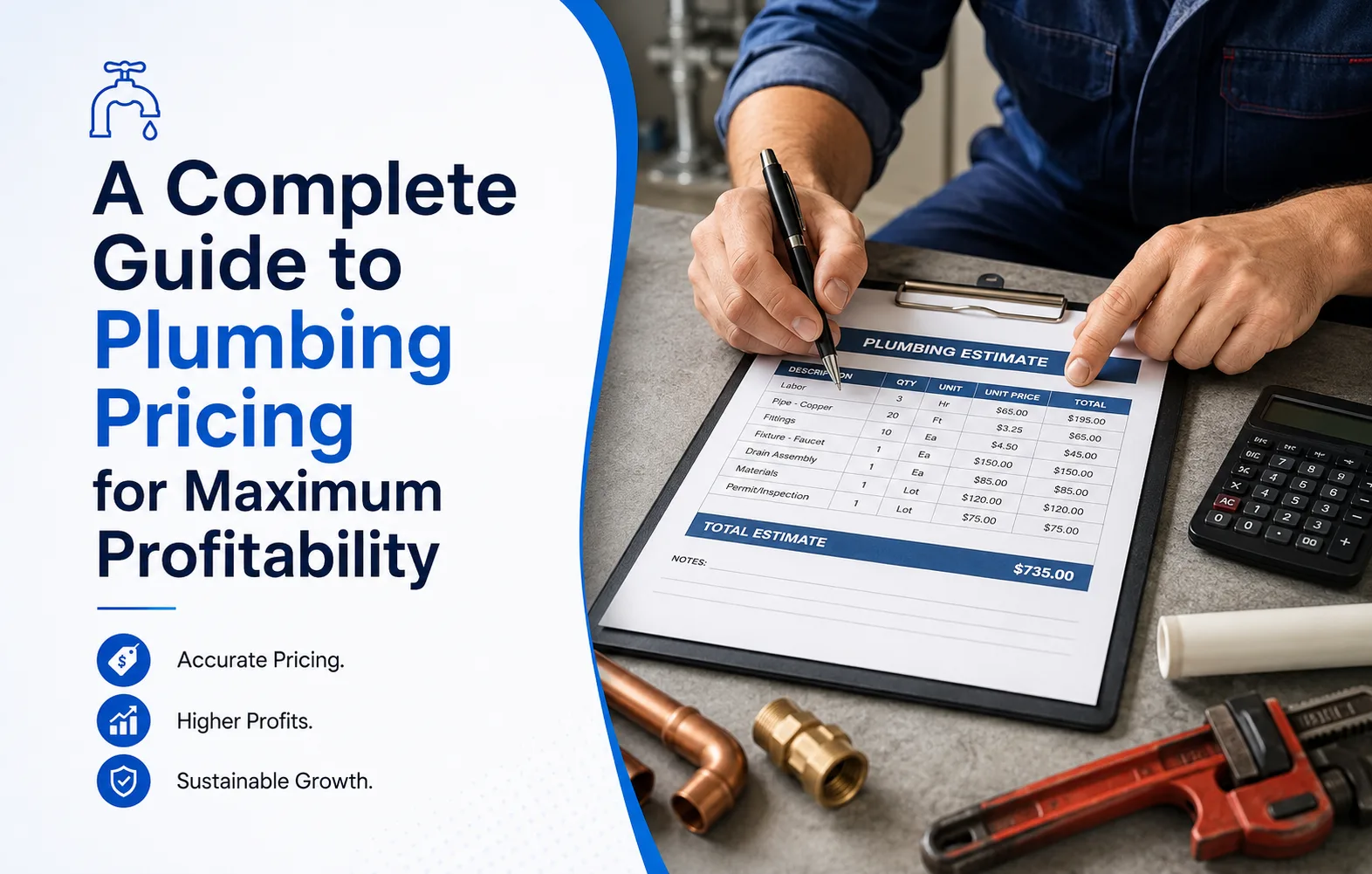
A Complete Guide to Plumbing Pricing for Maximum Profitability

Pricing is one of the most critical aspects of running a successful plumbing business. Accurate pricing not only ensures profitability but also helps contractors remain competitive in the market. Whether you are a residential plumber, commercial contractor, or builder, understanding the various factors that influence plumbing costs is essential. This comprehensive guide explores effective pricing strategies and explains how professional estimating solutions from Construction Estimate Help can improve profitability.

Understanding a Plumbers Pricing Guide

A well-structured plumbers pricing guide serves as a roadmap for determining labor, material, overhead, and profit margins for every project. Without a clear pricing strategy, contractors may underbid projects and suffer financial losses or overprice services and lose potential clients.

A plumbing pricing guide should include:

  • Labor costs
  • Material expenses
  • Equipment charges
  • Permit fees
  • Overhead expenses
  • Desired profit margins

Regularly updating your pricing guide according to market fluctuations ensures that your estimates remain accurate and profitable.

The Benefits of Flat Rate Plumbing Prices

Many plumbing businesses are shifting toward flat rate plumbing prices rather than charging by the hour. Flat-rate pricing provides customers with transparent costs before work begins, reducing disputes and increasing customer trust.

Advantages of flat-rate pricing include:

Improved Customer Satisfaction

Clients appreciate knowing the exact cost upfront without worrying about unexpected hourly charges.

Increased Revenue Opportunities

Flat-rate systems often allow contractors to include overhead and profit margins more effectively.

Simplified Billing Process

Invoices become easier to generate, and customers can make faster decisions regarding project approval.

However, establishing accurate flat-rate pricing requires careful analysis of labor productivity, material costs, and project complexity.

Factors Affecting Plumbing Installation Cost

The plumbing installation cost varies significantly depending on project scope and several influencing factors.

Project Size

Larger residential and commercial buildings require more materials and labor, increasing overall costs.

Type of Plumbing System

Installing advanced plumbing systems, such as smart water management or energy-efficient fixtures, may require specialized expertise and higher installation expenses.

Material Selection

Copper piping, PEX systems, and PVC materials differ substantially in cost. Premium materials naturally increase total project pricing.

Accessibility

Projects involving difficult access areas, remodeling work, or underground installations often require additional labor hours.

Contractors should carefully assess these factors when preparing estimates to avoid budget overruns.

Calculating Plumbing Cost Per Square Foot

One common method used by estimators is determining the plumbing cost per square foot. This approach provides a quick budgeting framework during the early planning stages.

The plumbing cost per square foot typically depends on:

  • Building type (residential, commercial, industrial)
  • Number of bathrooms and fixtures
  • Plumbing complexity
  • Local labor rates
  • Material specifications

Although square-foot pricing offers a preliminary estimate, detailed quantity takeoffs are necessary for accurate project budgeting.

How to Estimate Plumbing Cost for New Construction

Knowing how to estimate plumbing cost new construction projects accurately is essential for winning bids while maintaining profitability.

Key steps include:

Review Construction Drawings

Carefully analyze architectural and plumbing plans to identify all fixtures, piping systems, and equipment requirements.

Perform Quantity Takeoffs

Measure pipe lengths, fixture quantities, fittings, valves, and accessories to determine material requirements.

Calculate Labor Requirements

Estimate labor hours based on project complexity, crew productivity, and local wage rates.

Include Indirect Costs

Account for permits, insurance, transportation, supervision, and contingency allowances.

Add Profit Margins

Always include reasonable profit percentages to ensure sustainable business growth.

Why Choose Construction Estimating Services?

Professional construction estimating services can significantly improve estimate accuracy and business profitability. Estimating experts use advanced software, industry databases, and extensive experience to prepare detailed cost analyses.

Construction Estimate Help provides reliable estimating services that help contractors:

  • Reduce estimating errors
  • Submit competitive bids
  • Save valuable time
  • Improve project profitability
  • Minimize financial risks

By outsourcing estimating tasks, plumbing contractors can focus on project execution and customer satisfaction while ensuring accurate project pricing.

Conclusion

Developing an effective pricing strategy is essential for long-term success in the plumbing industry. A comprehensive plumbers pricing guide, accurate flat rate plumbing prices, and detailed cost estimation processes enable contractors to maximize profitability. Leveraging professional construction estimating services from Construction Estimate Help ensures precise estimates, competitive bids, and sustainable business growth.

Frequently Asked Questions (FAQs)

Q1. What is a plumbers pricing guide?

A plumbers pricing guide is a structured document that outlines labor rates, material costs, overhead expenses, and profit margins for plumbing projects.

Q2. Why are flat rate plumbing prices beneficial?

Flat-rate pricing provides cost transparency, simplifies billing, and improves customer satisfaction.

Q3. How is plumbing cost per square foot calculated?

Plumbing cost per square foot is calculated based on building size, fixture quantity, labor rates, and material specifications.

Q4. How do I estimate plumbing cost for new construction?

Review plans, perform quantity takeoffs, calculate labor costs, include indirect expenses, and add profit margins.

Q5. Why should I use professional construction estimating services?

Professional construction estimating services improve accuracy, save time, reduce errors, and help contractors submit more competitive bids.
The Complete Guide to Sitework Estimation for Successful Construction Projects

Every successful construction project begins long before the first shovel hits the ground. Accurate site preparation and cost planning are essential to ensuring projects stay on schedule and within budget. This is where SiteWork Estimating Services play a critical role. Whether you’re working on residential, commercial, or industrial developments, precise sitework estimates can significantly impact project success.

At Construction Estimate Help, we provide reliable estimating solutions that help contractors, builders, and developers make informed decisions throughout the construction process.

What Is Sitework Estimation?

Sitework estimation is the process of calculating the costs associated with preparing a construction site before building begins. It includes evaluating labor, materials, equipment, and other expenses required for activities such as:

  • Land clearing
  • Excavation and grading
  • Earthwork
  • Demolition
  • Utility installation
  • Drainage systems
  • Paving and landscaping

Professional SiteWork Estimating Services ensure that every aspect of site preparation is accurately quantified, reducing the risk of costly surprises during construction.

Why Accurate Sitework Estimation Matters

1. Better Budget Management

Construction projects often involve substantial investments. Inaccurate estimates can lead to budget overruns and project delays. Detailed sitework estimates provide a clear financial roadmap, enabling stakeholders to allocate resources effectively.

2. Improved Project Planning

Precise estimates help project managers establish realistic timelines and schedules. By understanding site preparation requirements in advance, teams can coordinate labor, equipment, and materials more efficiently.

3. Reduced Risk

Unexpected site conditions can significantly increase project costs. Experienced estimators identify potential challenges early, helping contractors mitigate risks and avoid expensive change orders.

Types of Construction Estimating Services

Residential Estimating Services

Home builders and residential contractors rely on Residential Estimating Services to determine the costs of site preparation for single-family homes, townhouses, and multi-unit developments.

These services include:

  • Excavation estimates
  • Foundation preparation costs
  • Utility trenching calculations
  • Landscaping and grading estimates

Accurate residential estimates help builders maintain profitability while delivering quality projects on time.

Commercial Estimating Services

Commercial developments often involve larger and more complex site requirements. Commercial Estimating Services provide detailed cost assessments for office buildings, retail centers, schools, healthcare facilities, and hospitality projects.

Commercial sitework estimates typically include:

  • Large-scale earthwork calculations
  • Parking lot preparation
  • Stormwater management systems
  • Site utility installations

Detailed estimates improve bid accuracy and increase contractors’ chances of winning profitable projects.

Industrial Estimating Services

Industrial projects require specialized knowledge due to their complexity and technical requirements. Industrial Estimating Services support projects such as manufacturing facilities, warehouses, refineries, and processing plants.

Industrial sitework estimation often involves:

  • Heavy earthmoving calculations
  • Specialized utility systems
  • Soil stabilization requirements
  • Extensive grading and drainage work

Accurate industrial estimates help minimize costly delays and ensure compliance with project specifications.

Key Components Included in Sitework Estimates

Professional SiteWork Estimating Services typically cover several important elements:

Earthwork Quantities

Estimators calculate excavation, cut-and-fill volumes, and soil movement requirements to determine labor and equipment costs.

Material Quantification

Accurate material takeoffs include gravel, concrete, piping, asphalt, and other site-related materials.

Equipment Costs

Heavy machinery such as excavators, bulldozers, graders, and loaders represent significant expenses. Estimators evaluate equipment usage to produce realistic cost projections.

Labor Costs

Labor requirements vary based on project size, complexity, and local market rates. Accurate labor calculations ensure competitive yet profitable bids.

Why Choose Construction Estimate Help?

Construction Estimate Help offers comprehensive estimating solutions tailored to projects of all sizes. Our experienced estimators use advanced software and industry expertise to deliver highly accurate estimates for residential, commercial, and industrial projects.

Benefits of partnering with us include:

  • Fast turnaround times
  • Detailed quantity takeoffs
  • Improved bid accuracy
  • Reduced project risks
  • Increased profitability

Conclusion

Successful construction projects begin with accurate planning, and site preparation is no exception. Professional SiteWork Estimating Services provide the detailed insights needed to control costs, reduce risks, and improve overall project efficiency. Whether you require Residential Estimating Services, Commercial Estimating Services, or Industrial Estimating Services, investing in expert estimation services is essential for long-term success.

Trust Construction Estimate Help to provide reliable and precise estimates that support your construction goals.

Frequently Asked Questions (FAQs)

1. What are SiteWork Estimating Services?

SiteWork Estimating Services involve calculating the costs associated with site preparation activities, including excavation, grading, utility installation, and earthwork.

2. Why are accurate sitework estimates important?

Accurate estimates help control budgets, improve scheduling, reduce risks, and increase bid competitiveness.

3. Who needs Residential Estimating Services?

Home builders, residential contractors, and developers use Residential Estimating Services to estimate site preparation costs for housing projects.

4. What projects require Commercial Estimating Services?

Office buildings, retail spaces, hospitals, schools, and hospitality developments commonly require Commercial Estimating Services.

5. What is included in Industrial Estimating Services?

Industrial Estimating Services include cost estimation for heavy earthwork, specialized utilities, grading, drainage systems, and large-scale site preparation.

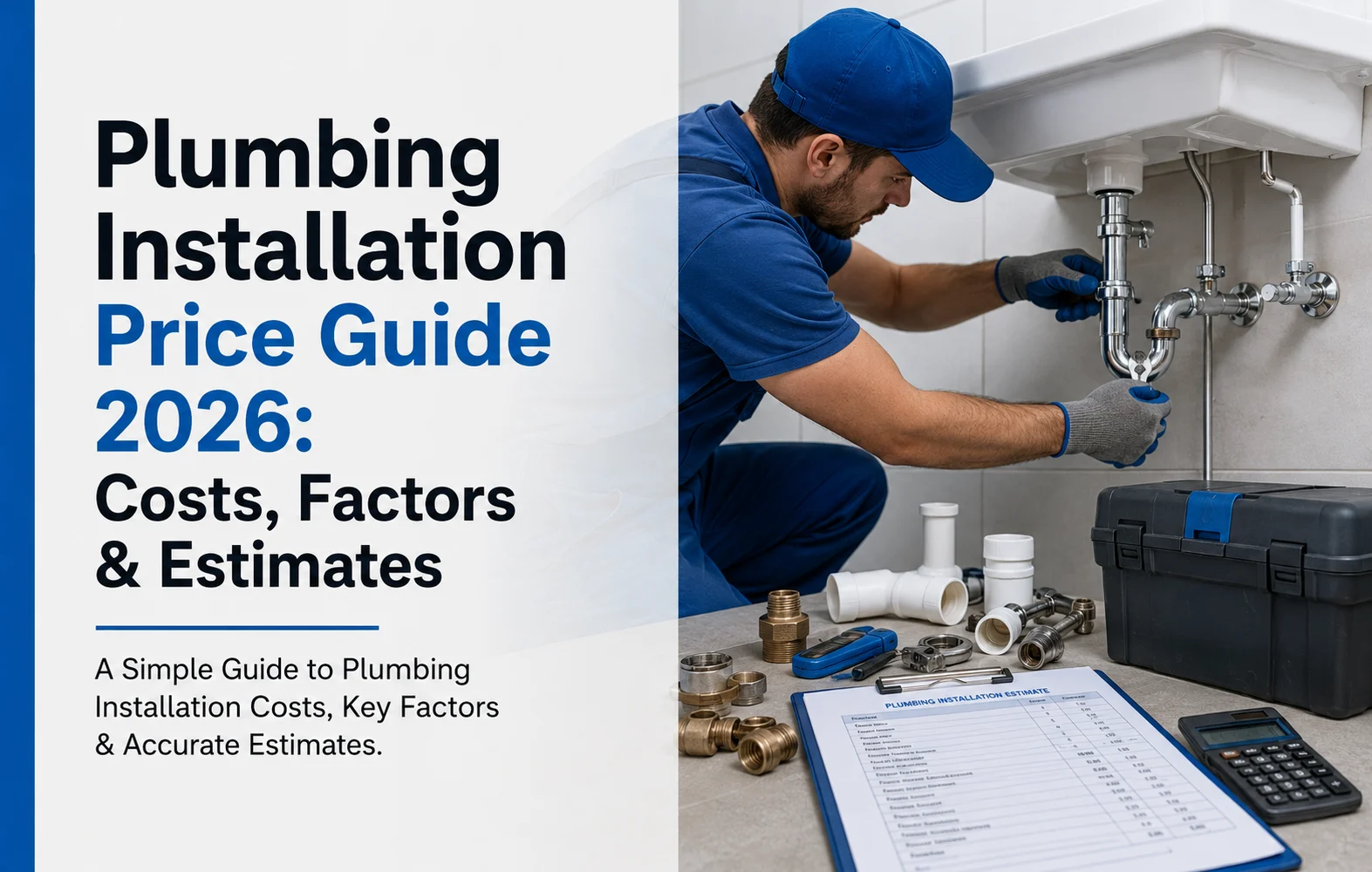
Plumbing Installation Price Guide 2026: Costs, Factors & Estimates

Plumbing is one of the most important systems in any residential or commercial building. Whether you’re constructing a new property or renovating an existing one, understanding the plumbing installation cost can help you plan your budget effectively. In 2026, plumbing expenses continue to vary depending on project size, materials, labor rates, and property type. This guide explores the key factors affecting costs and how professional estimating services can help you save money.

Understanding Plumbing Installation Costs

The total plumbing installation cost includes pipes, fittings, fixtures, labor, permits, and testing. For a typical residential project, the average cost of plumbing a house can range from a few thousand dollars to significantly more for larger properties with complex plumbing systems.

Contractors often calculate costs based on the number of fixtures, building size, and the amount of piping required. Some professionals also use plumbing cost per square foot estimates to provide preliminary budgets during the planning phase.

Factors That Affect Plumbing Costs

1. Property Size

Larger homes and commercial buildings require more piping, fixtures, and labor. As a result, the plumbing cost per square foot generally increases with project complexity.

2. Material Selection

The choice between PVC, PEX, copper, or other piping materials can significantly impact pricing. Premium materials may have higher upfront costs but often provide better durability and long-term value.

3. Labor Rates

Labor is one of the largest components of plumbing services cost. Skilled plumbers charge based on experience, project difficulty, and local market conditions.

4. Number of Fixtures

Bathrooms, kitchens, laundry rooms, and specialty plumbing fixtures increase installation requirements. More fixtures mean additional labor and materials.

5. Accessibility

Installing plumbing in new construction is generally more affordable than retrofitting an existing building where walls and floors must be opened.

Flat Rate Plumbing Prices vs. Hourly Rates

Many contractors now offer flat rate plumbing prices instead of charging hourly. Flat-rate pricing gives property owners greater cost certainty and helps avoid unexpected labor expenses.

Flat-rate services are especially beneficial for common installations such as water heaters, bathroom fixtures, sinks, and piping upgrades. However, larger projects may still require custom estimates based on project scope.

Importance of Cost Estimating Services

Accurate budgeting is essential for successful construction projects. Professional Cost Estimating Services provide detailed assessments of labor, materials, equipment, and project timelines. These estimates help contractors, developers, and homeowners make informed decisions before construction begins.

At Construction Estimate Help, our experts prepare comprehensive plumbing estimates that reduce cost overruns and improve project planning. Accurate estimates also make it easier to compare contractor bids and negotiate competitive pricing.

Plumbing Costs for New Construction Projects

Many construction companies sydney and other major construction markets rely on detailed plumbing estimates before beginning a project. Early cost planning helps prevent delays and ensures materials are ordered efficiently.

For new homes, plumbing installation typically includes water supply lines, drainage systems, vent piping, fixtures, and final connections. Working with experienced estimators can help identify potential savings while maintaining quality standards.

Conclusion

Understanding the plumbing installation cost in 2026 is essential for homeowners, builders, and developers. Factors such as property size, materials, labor, and fixture count all influence the final budget. Whether you’re evaluating flat rate plumbing prices, calculating plumbing cost per square foot, or determining the average cost of plumbing a house, accurate planning is key to success.

Construction Estimate Help provides professional estimating solutions that help clients control costs, improve budgeting accuracy, and complete projects with confidence.

FAQs

What is the average cost of plumbing a house in 2026?

The average cost varies based on home size, location, materials, and the number of fixtures installed.

How is plumbing cost per square foot calculated?

It is typically estimated by dividing the total plumbing budget by the building’s total square footage.

Are flat rate plumbing prices better than hourly rates?

Flat-rate pricing offers greater transparency and helps property owners avoid unexpected labor charges.

What affects plumbing services cost the most?

Labor rates, material selection, fixture quantity, and project complexity are the primary cost factors.

Why should I use Cost Estimating Services?

Professional Cost Estimating Services provide accurate budgets, reduce financial risk, and improve project planning efficiency.

What Is Industrial Estimating? Basics Every Beginner Should Know

The construction of industrial facilities entails complicated constructions and sophisticated machineries as well as tremendous investment. Therefore, meticulous cost planning should be carried out prior to the commencing of the project in order to keep the budget under control and to properly allocate resources. Industrial Estimating will play an important role.

Regardless of whether you are a contractor, a project owner, an investor, or even new to the construction business, you will surely benefit from understanding industrial estimating. The explanation for industrial estimating explained simply will be detailed in the following guide, in addition to reasons for engaging the help of professional estimation services for industrial projects.

Understanding Industrial Estimating

Industrial Estimating is simply the process of determining the total costs required for an industrial construction or manufacturing project. It encompasses: costs of labor and materials, equipment and machinery used in the project, permits required, and indirect costs.

The primary purpose of an industrial estimate is to create a realistically-budgeted construction project. Realistic budgets aid in the project’s feasibility, acquisition of funds, and prevention of exceeding costs.

Generally, industrial projects involve:

  • Manufacturing facilities
  • Warehouses
  • Processing plants
  • Industrial sheds
  • Distribution centers
  • Energy & utilities facilities

Since industrial projects tend to involve complicated work, specialized estimating knowledge is crucial.

Why Industrial Estimating is Crucial

Lack of an accurate estimate would invariably lead to project delays, unforeseen expenses, and insufficient resources. Accurate estimates empower project teams with the capability to:

  • Create realistic budgets
  • Better project planning
  • Minimize financial risks
  • Increase profit margins
  • Bid competitively
  • Efficiently allocate resources

With the help of Professional Industrial Estimating Services, projects are made to move from beginning to end by detailed cost analysis.

Components of Industrial Estimating

1. Estimating of material cost

Most industrial construction expenses consist of material cost. The following materials and their respective prices and quantities are estimated:

  • Structural steel
  • Concrete
  • Electrical components
  • Plumbing systems
  • HVAC equipment
  • Industrial machinery

2. Estimating of labor cost

Labor costs take into account the hourly rate, overtime, the provision of benefits and the total number of people required. It can heavily influence project cost based on labor availability.

3. Equipment cost estimation

Industrial projects are often constructed with sophisticated machineries. Estimates on the purchase, lease, transport and operating costs of equipment are considered.

4. Overhead and Indirect costs estimation

Indirect costs include:

  • Project management
    Site supervision
    Insurance
    Permits
    Administrative fees

5. Contingency estimation

Since unexpected circumstances are always a possibility in construction projects, estimates include contingencies that buffer against possible risks and expenditures.

Types of Industrial Estimating Services

Many firms turn to professional industrial estimating services to improve the accuracy of the estimate, as well as save precious time. Services commonly offered include:

  • Preliminary Estimates
  • Detailed Estimates
  • Bid Estimates
  • Value Engineering Estimates

The preliminary estimates are useful for budget assessment at the planning phase. Detailed estimates provide an all-inclusive cost breakdown before bidding or construction. Bid estimates allow contractors to submit competitive and profitable proposals. Value Engineering estimates help in finding the most cost-effective methods without sacrificing the quality and function of the project.

Industrial Estimating for Manufacturing Projects

This type of estimating is very important for manufacturing projects since they contain elaborate systems, production machinery and specialized infrastructure. In manufacturing estimates, production machinery, utility systems, structural components, safety systems, and automated machinery will all be accounted for. Professionals estimators would help manufacturers avoid budget surprises and meet the required standards for operating facilities.

Online Industrial Estimating Services

The way we estimate has changed a lot with technology; many firms now engage Online industrial estimating services for prompt and accurate results without the necessity of maintaining an in-house team of estimators. Online industrial estimating services provide the benefits of faster completion, access to skilled estimators, less overhead, and increased efficiency in terms of work process with digitally supported team members, particularly useful for contractors undertaking a multitude of projects.

Affordable Industrial Estimating Services

Small and medium-sized contractors often face financial strain when trying to allocate resources towards the estimating process. Fortunately, affordable industrial estimating services help businesses gain access to professional estimators at a significantly lower rate than a permanent staff. These services offer substantial time savings, increase the likelihood of winning profitable bids, and allow businesses to concentrate on other aspects of their work.

Industrial Estimating and Commercial Estimating

These two processes are quite alike but focus on different projects. Commercial estimating is related to offices, shops, hotels, and buildings, while industrial estimating concerns with factories, warehouses, manufacturing plants, and heavy industrial structures. Industrial projects usually need specialized estimating that considers their complexities more than commercial projects.

How Construction Estimate Help Can Assist

Construction Estimate Help provides dependable and accurate industrial estimating solutions for contractors, developers, and manufacturers. Professional estimators from the firm generate a detailed breakdown of costs, which would help clients plan their projects more efficiently, bid for jobs more competitively and improve overall project success. For projects of varying scope from industrial facilities and manufacturing plants to warehouses, commercial spaces, and any large industrial construction project, the professional team at Construction Estimate Help has the commitment and knowledge to give estimates of good quality for increased profit.

Conclusion

Industrial estimating is a crucial component for the successful planning and execution of a project. Realistic cost estimates empower businesses to manage their budgets effectively, reduce potential risks, and make smart financial choices. Regardless of the scale of the project from an industrial shed or manufacturing facility to a larger construction, expert estimating can remarkably boost the overall success of the undertaking. Partnering with Construction Estimate Help brings the benefit of accurate estimates, technical expertise and increased confidence toward project advancement.

Frequently Asked Questions (FAQs)

What is industrial estimating?

Industrial estimating involves calculating the total cost for an industrial construction or manufacturing project, covering materials, labor, machinery and equipment, and overhead expenses.

Why are Industrial Estimating Services important?

They are important for helping businesses budget, plan, mitigate financial risks, and increase project profitability through the use of accurate estimates.

What industries use industrial estimating?

Manufacturing, warehousing, energy production, processing plants, distribution centers and industrial shed manufacturers widely use them.

Are online industrial estimating services accurate?

Yes, they employ skilled estimators and advanced technology to deliver accurate cost projections.

How do affordable industrial estimating services benefit contractors?

They save contractors time and resources, improve bid accuracy and increase profitability.

What is the difference between industrial estimating and commercial estimating?

Commercial estimating deals with the cost estimate of commercial structures like offices, retail shops, hotels and commercial buildings, whereas industrial estimating applies to factories, warehouses, manufacturing plants and heavy industrial structures.

Bid Analysis: Meaning, Process, Types, and Evaluation Criteria

As you know, we work within a competitive procurement and construction industry where Bid Analysis is one of the vital functions to select a suitable contractor, supplier or service provider. Regardless of what the specific field of working might be, such as Virtual Bid Management, construction estimating and bidding, procurement activities and others, the more informed we are about bid analysis, the more effective are our decisions, lower the cost and higher the project success.

Meaning of Bid Analysis

The definition of Bid Analysis is “the process of evaluating submitted proposals from vendors, contractors or suppliers to an open tender or RFP (Request for Proposal).” We must remember here that “best” value is not just the lowest price, but best value including consideration for cost, quality, capability, conformance and other project constraints and specifications.

In the case of Bid analysis in procurement, multiple factors should be analyzed for achieving efficiency in the expenditure and optimum resource allocation. The purpose of this is to avoid misleading evaluations.

How Does Bid Analysis Work?

Many people often ask “how does bid analysis work”. Generally, bid analysis involves receiving all proposals, reading the content and comparing different factors such as price structures, experience, qualifications of the bidder and others and finally selecting a suitable one based on multiple constraints and aspects.

It is important that a properly Structured Procurement bid assessment is performed. In other words, the process must be done systematically to make sure that one doesn’t make any faulty decision and to prevent the procurement risks arising from low qualified contractors. Accurate Construction estimating services are an essential component in the process to evaluate and compare submitted construction bids.

Bid Analysis Process

Here is the generally adopted Bid analysis process:

1. Bid Collection

All bids submitted are collected and systematically organized by the requirements specified in the tender.

2. Preliminary Screening

The irrelevant and invalid bids (late submissions, insufficient requirements, etc.) are rejected.

3. Technical Evaluation

Experience, expertise, capability and quality of the submitted proposal along with any methodology is assessed and evaluated.

4. Commercial Evaluation

Pricing structure, payment terms and finances of the submitted bid are reviewed.

5. Comparative Analysis

Comparison between all submitted bids to assess and analyze the strengths and weaknesses of each one.

6. Final Selection

A choice is made between all proposed bids based on best value, meeting project requirements etc.
Companies like Construction Estimate Help provide support to clients for Bid analysis.

Types of Bid Analysis

There are different types of bid analysis in a process and we need to decide which one is most appropriate for us.

  • Cost-Based Analysis- focuses on price
  • Technical Analysis- evaluates technical capability of a proposal
  • Financial Analysis- assesses financial strength and stability of the bid
  • Risk-Based Analysis- looks at risks in the delivery of a project
  • Value-Based Analysis- compares and contrasts multiple bids on a variety of criteria to assess overall value.

These are generally used in Tender bid analysis.

Bid Evaluation Criteria

When making the decision of evaluating proposals based on multiple aspects of a proposal; a specific set of Bid evaluation criteria is normally defined and followed. These could be:

  • Competitive pricing
  • Technical competence
  • Experience and past performance
  • Quality assurance procedures
  • Delivery schedule
  • Compliance to requirements
  • Financial stability
  • Safety record
  • Client references
  • Post-award service.

The selection of vendor through the process of Vendor bid evaluation.

Importance of Bid Analysis in Construction

Bid analysis is paramount for any construction project. As you might know, construction estimating and bidding is extremely important for all construction owners and contractors, whether or not using virtual bid management systems. This helps the owner to make informed decisions of who is the most suitable contractor, also providing them with valuable information as to whether a submitted construction bid is reasonable and cost-effective. Professional services, such as those of Construction Estimate Help, help clients by estimating construction costs, comparing sub-bids, and generally guiding them throughout the process.

Conclusion

Bid Analysis is undoubtedly a critical process in procurement and construction. Understanding its meaning, definition, various types and adopting appropriate bid evaluation criteria ensures optimum results are achieved at minimum cost while maintaining quality of the project. Bid Analysis whether through Virtual Bid Management solutions or simply conducting a Vendor bid evaluation will always serve in guiding the decision making process to ensure best project outcomes.

Frequently Asked Questions (FAQs)

What is bid analysis?

Bid analysis is the method of evaluating proposals submitted from different vendors, contractors, or suppliers to identify the best proposal for a project.

Why is bid analysis important in procurement?

Bid analysis in procurement leads to transparent, efficient and cost-effective procurement and expenditure.

What are the main types of bid analysis?

These types include the Cost-Based Analysis, Technical Analysis, Financial Analysis, Risk-Based Analysis and Value-Based Analysis.

How does bid analysis work in construction?

In construction, bid analysis compares contractor proposals with each other to determine the most appropriate contractor for the project based on various criteria such as cost, quality, and experience.

How can Construction Estimate Help assist with bid analysis?

Construction Estimate Help can help with construction estimating and bidding through various services that include construction estimating, bid reviews, cost analysis and more.

A Complete Guide to Cost Estimation in Construction Projects

Cost estimation is one of the most important aspects of any construction project. Whether it is a residential building, commercial property, or infrastructure development, accurate budgeting helps ensure that projects are completed on time and within budget. Effective Cost Estimating allows contractors, builders, and project owners to understand financial requirements before construction begins, reducing the risk of unexpected expenses and delays.

In today’s competitive construction industry, many businesses rely on professional Cost Estimating Services to improve accuracy and streamline project planning. This guide explores the fundamentals of construction cost estimation and explains why it is essential for project success.

What Is Construction Cost Estimation?

Construction cost estimation is the process of calculating the total expenses required to complete a construction project. These costs typically include materials, labor, equipment, permits, overhead expenses, and contingencies. The goal is to provide stakeholders with a realistic financial projection that supports informed decision making.

Professional estimators use historical data, market pricing, project specifications, and industry software to create detailed estimates. Many construction cost estimating firms specialize in delivering accurate estimates for projects of all sizes and complexities.

Why Cost Estimation Matters

Accurate cost estimating for construction plays a crucial role in project planning and execution. Here are some key benefits:

1. Better Budget Management

A detailed estimate helps project owners allocate resources effectively and avoid budget overruns.

2. Improved Project Planning

Cost estimates provide a financial roadmap that supports scheduling, procurement, and workforce planning.

3. Competitive Bidding

Contractors can submit competitive and profitable bids when they have reliable project cost data.

4. Reduced Financial Risk

Accurate estimates minimize the likelihood of unexpected expenses that can negatively impact project profitability.

Key Components of Construction Cost Estimation

Material Costs

Material pricing often represents a significant portion of project expenses. Estimators calculate quantities and current market rates to determine accurate material costs.

Labor Costs

Labor expenses include wages, benefits, and productivity rates for workers involved in the project.

Equipment Costs

Construction equipment rental, maintenance, fuel, and operational expenses are included in the estimate.

Overhead and Profit

Administrative costs, insurance, office expenses, and desired profit margins are also factored into the final estimate.

Contingency Allowance

A contingency budget is added to account for unforeseen circumstances such as design changes or material price fluctuations.

The Role of Quantity Takeoffs

A critical step in the estimation process is quantity takeoff and cost estimating. Quantity takeoff involves measuring and listing all materials required for a project based on construction drawings and specifications.

Accurate quantity takeoffs ensure that estimators calculate costs based on actual project requirements rather than assumptions. This process helps eliminate waste, reduce procurement errors, and improve overall estimate accuracy.

Choosing Professional Cost Estimating Services

Many contractors and developers choose external Cost Estimating Services to save time and improve precision. Professional estimators have access to industry databases, advanced software, and market insights that help produce reliable estimates.

For projects in highly competitive markets, such as New York, specialized ny cost estimating & takeoff services can provide location-specific pricing data and regional expertise. This ensures estimates reflect current labor rates, material costs, and local construction conditions.

How Construction Estimate Help Supports Your Projects

Construction Estimate Help provides professional estimating solutions designed to help contractors, builders, architects, and developers make informed decisions. Their experienced team delivers accurate Cost Estimating, detailed quantity takeoffs, and comprehensive project budgets tailored to specific project requirements.

By leveraging industry leading tools and proven methodologies, Construction Estimate Help helps clients improve bid accuracy, control project costs, and increase profitability.

Conclusion

Cost estimation is the foundation of successful construction project management. Accurate cost estimating for construction supports budgeting, scheduling, bidding, and risk management. Whether you’re managing a small residential build or a large commercial development, professional estimating services can make a significant difference in project outcomes.

Partnering with trusted experts such as Construction Estimate Help ensures you receive accurate estimates, detailed takeoffs, and valuable insights that contribute to project success from start to finish.

FAQs

1. What is Cost Estimating in construction?

Cost Estimating is the process of calculating the total expenses required to complete a construction project, including labor, materials, equipment, and overhead costs.

2. Why are Cost Estimating Services important?

Cost Estimating Services help improve budgeting accuracy, reduce financial risks, and support better project planning and decision making.

3. What is quantity takeoff and cost estimating?

Quantity takeoff and cost estimating involve measuring required materials from project plans and calculating their associated costs to create an accurate project estimate.

4. How do construction cost estimating firms help contractors?

Construction cost estimating firms provide professional estimates that improve bid accuracy, save time, and increase project profitability.

5. What are NY cost estimating & takeoff services?

NY cost estimating & takeoff services specialize in providing construction estimates based on New York market conditions, labor rates, and material pricing.

Construction Cost Estimating Services in Hawaii – Precision for Every Project

Accurate budgeting is the foundation of every successful construction project. Whether you’re planning a residential renovation, commercial development, or large scale infrastructure project, reliable Cost Estimating Services can make the difference between staying on budget and facing costly overruns. In Hawaii, where material transportation, labor costs, and island specific logistics can significantly impact expenses, precise construction estimates are more important than ever.

This is where Construction Estimate Help provides professional estimating solutions designed to support contractors, builders, developers, and property owners throughout Hawaii.

Why Construction Cost Estimating Matters

Construction projects involve numerous variables, including materials, labor, equipment, permits, and subcontractor expenses. Without a detailed estimate, project costs can quickly spiral out of control.

Professional cost estimating for construction helps stakeholders:

  • Develop realistic project budgets
  • Submit competitive bids
  • Improve resource allocation
  • Reduce financial risks
  • Minimize unexpected expenses
  • Increase project profitability

Accurate estimates provide a clear roadmap for every phase of construction, allowing teams to make informed decisions from start to finish.

Challenges of Construction Projects in Hawaii

Hawaii presents unique construction challenges compared to mainland projects. Materials often need to be shipped across the Pacific, leading to higher transportation costs and longer delivery times. Labor availability can also fluctuate depending on project demand and location.

Because of these factors, working with experienced construction cost estimating firms is essential. Professional estimators understand regional pricing trends, local building requirements, and island specific construction costs, helping clients create realistic budgets that reflect actual market conditions.

Comprehensive Cost Estimating Services

Construction Estimate Help provides detailed estimating services for various project types, including:

Residential Construction

Accurate Residential Estimating Services help homeowners, builders, and developers understand project costs before construction begins. Services cover:

  • New home construction
  • Home additions
  • Renovations and remodeling
  • Multi family housing developments
  • Custom residential projects

Detailed quantity takeoffs and pricing analyses ensure every aspect of the project is properly budgeted.

Commercial Construction

Commercial projects require thorough planning and precise cost control. Estimating services include:

  • Office buildings
  • Retail developments
  • Hotels and resorts
  • Healthcare facilities
  • Educational institutions

Professional estimates help contractors submit accurate bids while maintaining profit margins.

Trade Specific Estimates

Construction Estimate Help also provides specialized estimates for various construction trades, including:

  • Concrete
  • Masonry
  • Electrical
  • Plumbing
  • Roofing
  • Flooring
  • Framing
  • Painting

Detailed trade estimates improve project planning and subcontractor coordination.

Understanding Drywall Costs

One of the most common concerns in residential and commercial projects is drywall cost. Several factors affect drywall pricing, including:

  • Total square footage
  • Type of drywall selected
  • Labor rates
  • Ceiling height
  • Project complexity
  • Finishing requirements

Professional estimators calculate material quantities and labor requirements accurately, helping clients avoid underestimating or overestimating drywall expenses.

Benefits of Professional Estimating Services

Partnering with experienced estimators offers several advantages:

Improved Bid Accuracy

Accurate estimates help contractors submit competitive bids without sacrificing profitability.

Time Savings

Preparing detailed takeoffs manually can be time consuming. Professional estimating services allow contractors to focus on project management and business growth.

Better Budget Management

Comprehensive estimates help clients understand where money will be spent and identify opportunities for cost savings.

Reduced Financial Risk

Detailed cost breakdowns minimize the chances of budget overruns and unexpected project expenses.

Why Choose Construction Estimate Help?

Construction Estimate Help combines industry expertise, advanced estimating software, and local market knowledge to deliver highly accurate construction estimates. Whether you need support for residential, commercial, or specialized trade projects, the team provides dependable estimating solutions tailored to Hawaii’s unique construction environment.

Their commitment to precision helps clients make informed decisions, win more bids, and complete projects successfully.

Conclusion

Construction projects in Hawaii require careful planning and accurate budgeting to overcome island specific challenges and maintain profitability. Professional Cost Estimating Services provide the financial clarity needed for successful project execution. From Residential Estimating Services to commercial developments and detailed cost estimating for construction, Construction Estimate Help delivers the precision and reliability every project deserves.

(FAQs)

1. What are Cost Estimating Services?

Cost Estimating Services involve calculating project expenses, including materials, labor, equipment, and overhead costs before construction begins.

2. Why should I hire construction cost estimating firms?

Professional construction cost estimating firms provide accurate estimates that help reduce risk, improve budgeting, and increase bid success rates.

3. What is included in Residential Estimating Services?

Residential Estimating Services typically include quantity takeoffs, labor calculations, material pricing, and complete project cost breakdowns.

4. How is drywall cost calculated?

Drywall cost depends on material type, square footage, labor rates, finishing requirements, and project complexity.

5. Can estimating services help contractors win more bids?

Yes. Accurate estimates allow contractors to submit competitive bids while maintaining healthy profit margins and reducing financial risk.

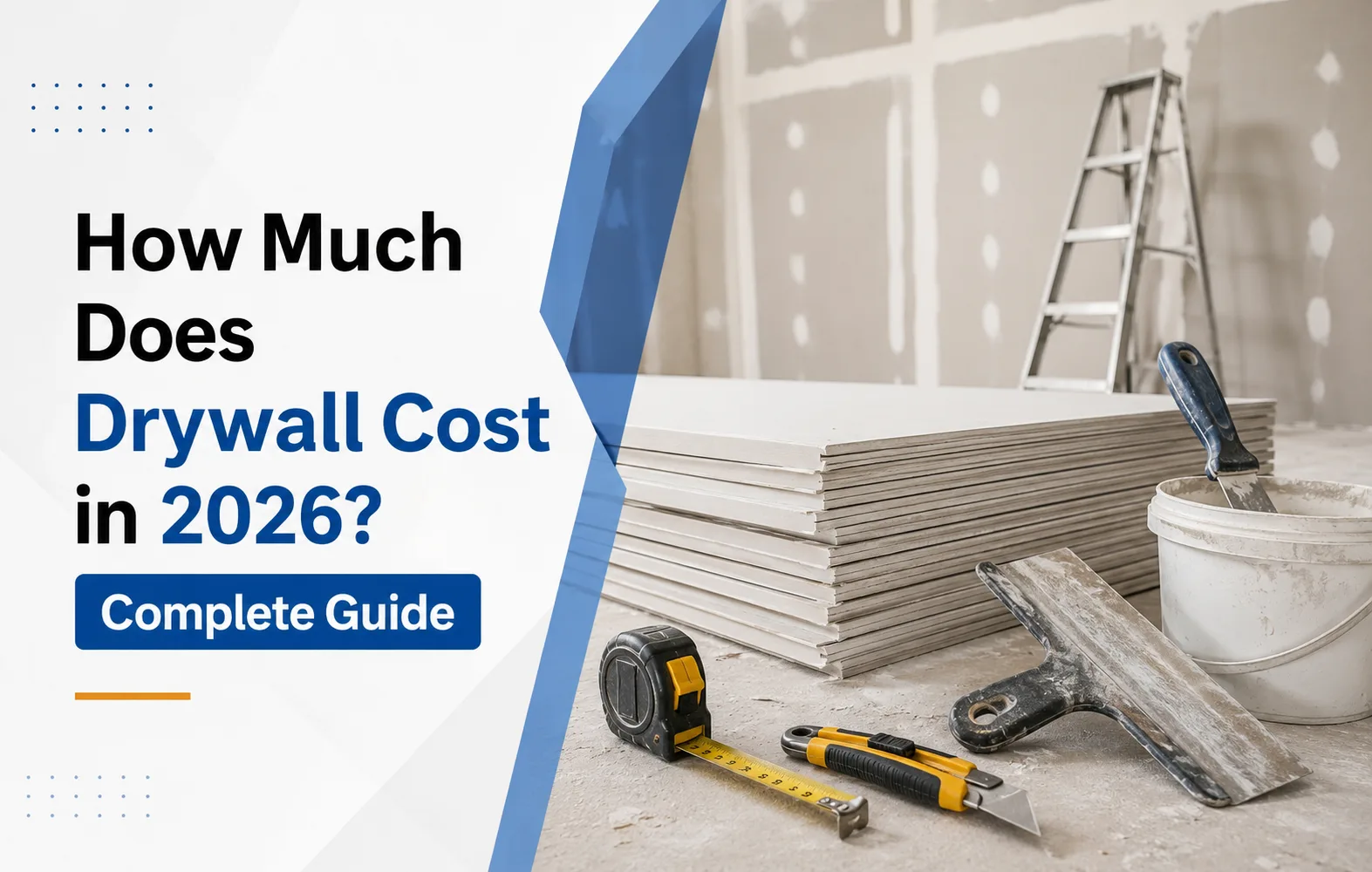
How Much Does Drywall Cost in 2026? Complete Guide

Drywall remains one of the most popular materials for interior wall and ceiling construction due to its affordability, durability, and ease of installation. Whether you are building a new home, renovating an office, or remodeling a room, understanding the drywall cost in 2026 is essential for effective budgeting and project planning.

In this guide, we’ll break down the factors that influence drywall pricing, the drywall cost per square foot, and how professional Cost Estimating Services can help you avoid unexpected expenses.

What Is the Average Drywall Cost in 2026?

The average drywall cost per square foot typically ranges from $1.50 to $4.50, depending on material quality, labor rates, project size, and location. For a standard room, homeowners can expect to spend anywhere from $800 to $3,000 for complete drywall installation.

Several factors impact the final price, including:

  • Type and thickness of drywall
  • Room size and complexity
  • Labor costs
  • Finishing requirements
  • Geographic location

Drywall Material Costs

Modern Drywall Panels for Reliable Interior Construction come in various types designed for specific applications. Standard drywall panels are generally the most affordable, while moisture-resistant, fire-resistant, and soundproof drywall options cost more.

On average, drywall sheets cost between $12 and $30 per panel. Larger projects often benefit from bulk purchasing, reducing overall material expenses.

Cost to Install Drywall

The Cost to Install Drywall includes both materials and labor. Labor typically accounts for 40% to 60% of the total project cost. Professional installers charge based on square footage, wall height, ceiling complexity, and finishing requirements.

Installation services may include:

  • Measuring and cutting drywall
  • Hanging panels
  • Applying joint tape
  • Mudding and sanding
  • Surface preparation for painting

For a standard residential project, drywall installation can range from $2.00 to $5.00 per square foot.

Factors Affecting Drywall Costs

1. Project Size

Larger projects generally have lower per-square-foot costs because contractors can spread labor and equipment expenses across a bigger area.

2. Drywall Type

Specialty drywall products such as moisture-resistant or fire-rated panels increase material costs but provide added protection and durability.

3. Labor Rates

Labor costs vary significantly by region and contractor experience. Urban areas often have higher installation rates than rural locations.

4. Ceiling Installation

Installing drywall on ceilings requires additional labor and equipment, increasing project costs.

5. Finishing Level

Higher-quality finishes demand more sanding, coating, and preparation, leading to increased labor expenses.

Why Use a Drywall Cost Estimator?

A professional drywall cost estimator helps contractors, builders, and homeowners accurately forecast project expenses before construction begins.

Benefits include:

  • Accurate material quantity calculations
  • Labor cost forecasting
  • Reduced budget overruns
  • Better project planning
  • Competitive bidding support

Using a reliable estimator allows project stakeholders to make informed decisions and avoid costly surprises.

The Importance of Professional Cost Estimating Services

Professional Cost Estimating Services provide detailed project breakdowns that improve budgeting accuracy and project efficiency. Estimators analyze plans, calculate quantities, evaluate labor requirements, and identify potential cost-saving opportunities.

At Construction Estimate Help, our experienced estimating professionals deliver precise drywall estimates for residential, commercial, and industrial projects. Our goal is to help clients maximize profitability while minimizing risk.

Conclusion

Understanding drywall cost is crucial when planning any interior construction or renovation project. Factors such as material type, labor rates, project complexity, and finishing requirements all influence the final price. By using a professional drywall cost estimator and trusted Cost Estimating Services, you can ensure accurate budgeting and successful project execution.

Whether you’re a homeowner, contractor, or developer, investing in quality Drywall Panels for Reliable Interior Construction and professional estimating support can save both time and money in 2026.

Frequently Asked Questions (FAQs)

1. What is the average drywall cost per square foot in 2026?

Most projects range between $1.50 and $4.50 per square foot, depending on materials and labor.

2. What affects the Cost to Install Drywall?

Factors include project size, drywall type, labor rates, ceiling work, and finish quality.

3. How much does a drywall sheet cost?

Standard drywall panels typically cost between $12 and $30 per sheet.

4. Why should I use a drywall cost estimator?

A drywall cost estimator helps calculate accurate material and labor costs, reducing budgeting errors.

5. How can Construction Estimate Help assist my project?

Construction Estimate Help provides professional Cost Estimating Services that deliver accurate drywall takeoffs and cost estimates for construction projects.

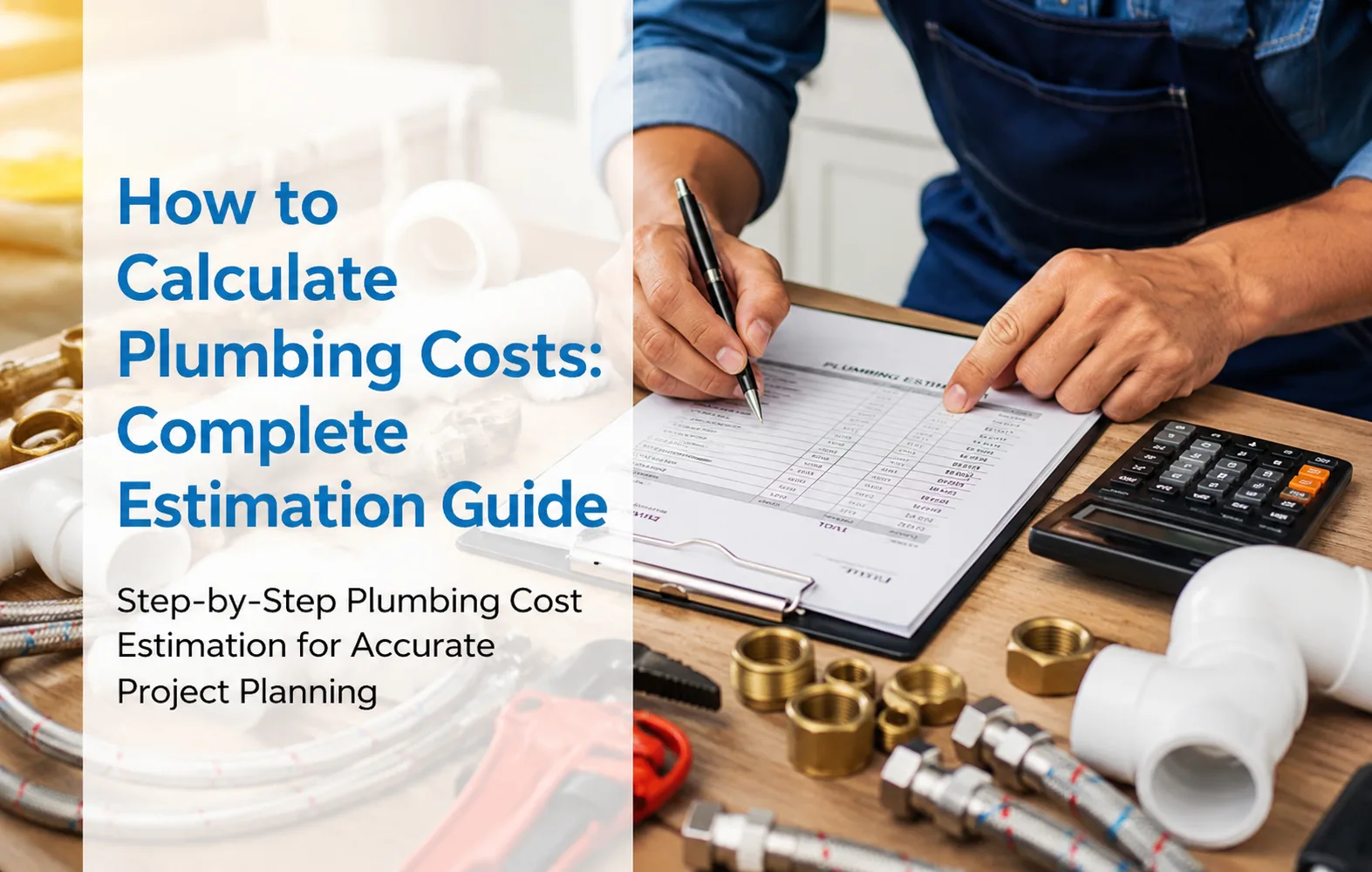
How to Calculate Plumbing Costs: Complete Estimation Guide

Accurately estimating plumbing costs is essential for the success of any construction or renovation project. Whether you are a contractor, builder, homeowner, or project manager, understanding the factors that influence plumbing expenses can help you create realistic budgets and avoid costly surprises. This guide explains how to calculate plumbing costs and highlights the importance of professional Cost Estimating Services for accurate project planning.

Understanding Plumbing Cost Estimation

Plumbing cost estimation involves calculating all expenses associated with installing, repairing, or upgrading a plumbing system. A reliable estimate includes material costs, labor charges, equipment expenses, permits, and contingency allowances.

Professional estimators often use specialized software and industry databases to ensure precise calculations. Hiring a Construction Estimating Consultant can significantly improve the accuracy of your project budget.

Key Factors Affecting Plumbing Costs

1. Material Costs

Materials typically represent a substantial portion of plumbing expenses. Common materials include:

  • Pipes and fittings
  • Valves and fixtures
  • Water heaters
  • Pumps and drainage systems

The quality and type of materials selected will directly impact the overall plumbing services cost.

2. Labor Expenses

Labor costs vary based on project complexity, location, and contractor experience. Tasks such as installing new plumbing systems generally require more labor hours than simple repairs.

3. Project Size and Scope

The larger the project, the greater the material and labor requirements. A complete plumbing installation for a new building will cost significantly more than replacing a few fixtures.

4. Permit and Inspection Fees

Many plumbing projects require permits and inspections to comply with local building regulations. These costs should always be included in your estimate.

5. Equipment and Tools

Specialized equipment such as pipe threading machines, trenching tools, or leak detection systems may be necessary for certain projects, adding to the overall cost.

Step-by-Step Process for Calculating Plumbing Costs

Step 1: Review Project Plans

Carefully examine blueprints, specifications, and plumbing layouts. Identify all fixtures, pipe runs, and system requirements.

Step 2: Perform a Quantity Takeoff

Measure and list all plumbing materials required for the project. This includes pipes, fittings, valves, fixtures, and accessories.

Step 3: Determine Material Prices

Research current market rates or use supplier quotations to calculate accurate material costs.

Step 4: Estimate Labor Hours

Assess the time required for installation, testing, and commissioning. Multiply estimated labor hours by local labor rates.

Step 5: Add Equipment and Permit Costs

Include rental equipment fees, permit charges, and inspection costs.

Step 6: Include Contingency Costs

Most estimators add a contingency allowance of 5–10% to cover unforeseen expenses.

Step 7: Calculate the Final Estimate

Combine material, labor, equipment, permit, and contingency costs to determine the total project budget.

Benefits of Professional Cost Estimating Services

Many construction professionals rely on expert Cost Estimating Services to improve project accuracy and profitability. Professional estimators provide:

  • Detailed quantity takeoffs
  • Accurate pricing data
  • Reduced budgeting errors
  • Faster bid preparation
  • Improved project planning

A qualified plumbing cost estimator can help identify hidden expenses and ensure that every aspect of the project is accounted for before construction begins.

Why Choose Construction Estimate Help?

Construction Estimate Help offers professional estimating solutions tailored to contractors, builders, and developers. Their experienced team provides accurate plumbing estimates, helping clients reduce risks, save time, and improve project profitability. Whether you need residential, commercial, or industrial estimates, their experts deliver reliable results that support successful project execution.

Conclusion

Calculating plumbing costs requires careful planning, accurate quantity takeoffs, and up to date pricing information. By understanding the factors that influence plumbing services cost and utilizing professional Cost Estimating Services, you can develop realistic budgets and avoid costly overruns. Working with an experienced Construction Estimating Consultant ensures greater accuracy and confidence throughout the construction process.

FAQs

1. What does a plumbing cost estimator do?

A plumbing cost estimator calculates material, labor, equipment, and permit costs to create an accurate project budget.

2. What factors affect plumbing costs the most?

Material quality, labor rates, project complexity, permits, and equipment requirements are the primary cost drivers.

3. Why are Cost Estimating Services important?

They improve budget accuracy, reduce financial risks, and help contractors submit competitive bids.

4. How can a Construction Estimating Consultant help?

A consultant provides professional cost analysis, quantity takeoffs, and budgeting support for construction projects.

5. Can plumbing estimates reduce project overruns?

Yes. Accurate estimates help identify costs early, enabling better planning and minimizing unexpected expenses during construction.

#PlumbingCosts #PlumbingEstimate #CostEstimatingServices #PlumbingCostEstimator #ConstructionEstimating #ConstructionEstimateHelp #PlumbingServices #ConstructionConsultant #QuantityTakeoff #ConstructionBudgeting #CostEstimation #BuildingCosts #ContractorLife #ConstructionIndustry #ProjectManagement #EstimatingServices #ResidentialConstruction #CommercialConstruction #ConstructionPlanning #ConstructionExperts #Builders #GeneralContractor #PlumbingContractor #ConstructionBusiness #BudgetPlanning #ProjectEstimating #ConstructionSolutions #TakeoffServices #ConstructionProjects #EstimatingConsultant